Étiquette : privacy (Page 16 of 47)

https://no-flux.beaude.net/wp-content/uploads/2020/01/1580082517166-avast.jpg

“The documents, from a subsidiary of the antivirus giant Avast called Jumpshot, shine new light on the secretive sale and supply chain of peoples’ internet browsing histories. They show that the Avast antivirus program installed on a person’s computer collects data, and that Jumpshot repackages it into various different products that are then sold to many of the largest companies in the world. Some past, present, and potential clients include Google, Yelp, Microsoft, McKinsey, Pepsi, Home Depot, Condé Nast, Intuit, and many others. Some clients paid millions of dollars for products that include a so-called « All Clicks Feed, » which can track user behavior, clicks, and movement across websites in highly precise detail.”

Source : Leaked Documents Expose the Secretive Market for Your Web Browsing Data – VICE

https://no-flux.beaude.net/wp-content/uploads/2020/01/02_home_final-900_x2.jpg

“Companies and governments are gaining new powers to follow people across the internet and around the world, and even to peer into their genomes. The benefits of such advances have been apparent for years; the costs — in anonymity, even autonomy — are now becoming clearer. The boundaries of privacy are in dispute, and its future is in doubt. Citizens, politicians and business leaders are asking if societies are making the wisest tradeoffs. The Times is embarking on this monthslong project to explore the technology and where it’s taking us, and to convene debate about how it can best help realize human potential.”

Source : Opinion | The Privacy Project – The New York Times

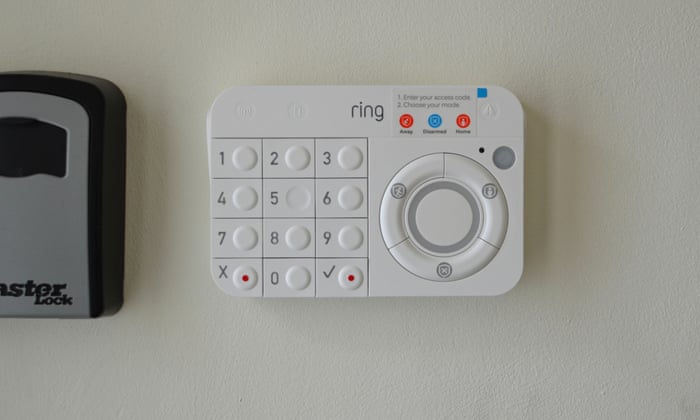
“Hackers are tapping in to cameras intended for home security, talking to children through the devices and even dropping racist remarks, according to multiple news reports. The intended purpose of a two-way talk function on the devices is to allow parents to check in on their children. But hackers are using them to wake people up in the middle of the night, and watch unsuspecting children.”

Source : Ring hackers are reportedly watching and talking to strangers via in-home cameras | Technology | The Guardian

The iPhone 11’s U1 chip necessitates constant geolocation checks

Multiple smartphones on table.

“ Ultra-wideband technology is an industry-standard technology and is subject to international regulatory requirements that require it to be turned off in certain locations… iOS uses Location Services to help determine if iPhone is in these prohibited locations in order to disable ultra-wideband and comply with regulations… The management of ultra-wideband compliance and its use of location data is done entirely on the device, and Apple is not collecting user location data. When Apple introduced the iPhone 11 and iPhone 11 Pro this fall, it included a new chip called the U1 that enables ultra-wideband (UWB) for locating other devices in immediate proximity. Presently, it is only used for the phone’s AirDrop file-sharing feature, but it is expected to be used for other features such as augmented reality and the company’s rumored upcoming Tile competitor in the future. The brief flash of controversy on Twitter and tech blogs over this issue illustrates the challenges Apple faces with its privacy-oriente”

Source : The iPhone 11’s U1 chip necessitates constant geolocation checks, Apple says | Ars Technica

“All mobile phone users in China registering new SIM cards must submit to facial recognition scans, according to a new rule that went into effect across the country on Sunday […].

China’s education ministry said in September it would “curb and regulate” the use of facial recognition after parents grew angry when facial recognition software was installed without their knowledge at a university in Nanjing to monitor students’ attendance and focus during class.”

Source : China brings in mandatory facial recognition for mobile phone users | World news | The Guardian

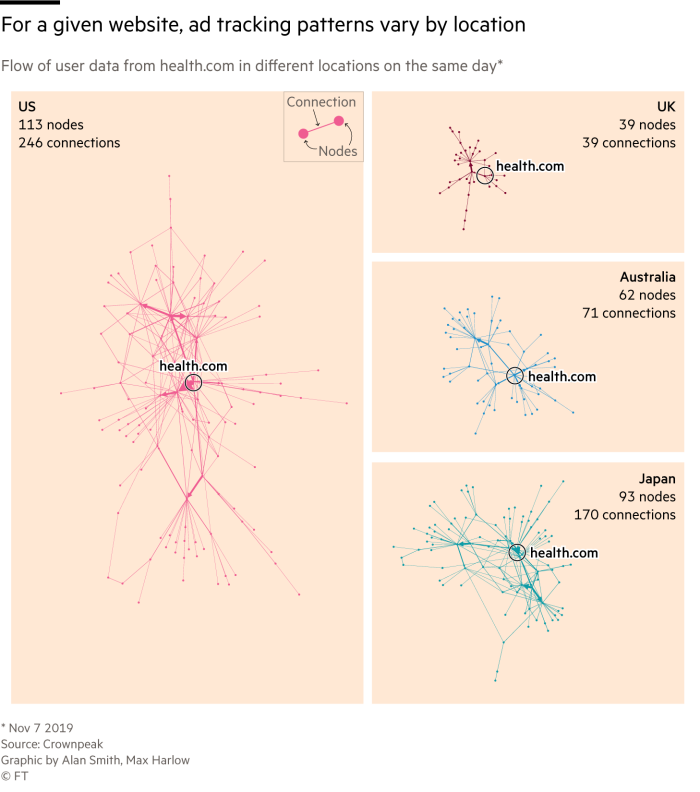
How top health websites are sharing sensitive data with advertisers

A network diagram showing how ad tracker patterns vary for the same website from country to country. Using the example of health.com, it shows 113 nodes with 246 connections in the US, but only 39 nodes and 39 connections in the UK

“The data shared included:

  • drug names entered into Drugs.com were sent to Google’s ad unit DoubleClick.
  • symptoms inputted into WebMD’s symptom checker, and diagnoses received, including “drug overdose”, were shared with Facebook.
  • menstrual and ovulation cycle information from BabyCentre ended up with Amazon Marketing, among others.
  • keywords such as “heart disease” and “considering abortion” were shared from sites like the British Heart Foundation, Bupa and Healthline to companies including Scorecard Research and Blue Kai (owned by software giant Oracle).

In eight cases (with the exception of Healthline and Mind), a specific identifier linked to the web browser was also transmitted — potentially allowing the information to be tied to an individual — and tracker cookies were dropped before consent was given. Healthline confirmed that it also shared unique identifiers with third parties.

None of the websites tested asked for this type of explicit and detailed consent.”

Source : How top health websites are sharing sensitive data with advertisers | Financial Times

“Rares sont les pays à oser, sur internet, faire ce que la Russie tente de mettre en place. La semaine passée, la Douma, soit la Chambre basse du parlement russe, a adopté en troisième et dernière lecture un projet de loi qui impose l’installation de logiciels conçus par des entreprises locales sur les appareils électroniques vendus en Russie.”

Source : Comment le pouvoir russe s’infiltre dans les smartphones – Le Temps

Google Amnesty Surveillance

“Nous avons déjà constaté que la vaste architecture publicitaire de Google et Facebook est une arme puissante entre de mauvaises mains. Elle peut être détournée à des fins politiques, au risque de conséquences désastreuses pour la société, et laisse le champ libre à toutes sortes de nouvelles stratégies publicitaires aux relents d’exploitation, comme le fait de s’en prendre à des personnes vulnérables qui luttent contre la maladie, les troubles mentaux ou l’addiction. Parce que ces publicités sont faites sur mesure pour des individus, elles échappent à l’examen public”

Source : La surveillance intrusive exercée par Facebook et Google : un danger sans précédent pour les droits humains | Amnesty International

« Older posts Newer posts »

© 2026 no-Flux

Theme by Anders NorenUp ↑