Mois : juillet 2026

Industry Leaders Join Open Secure AI Alliance for AI Safety and Security | NVIDIA Blog

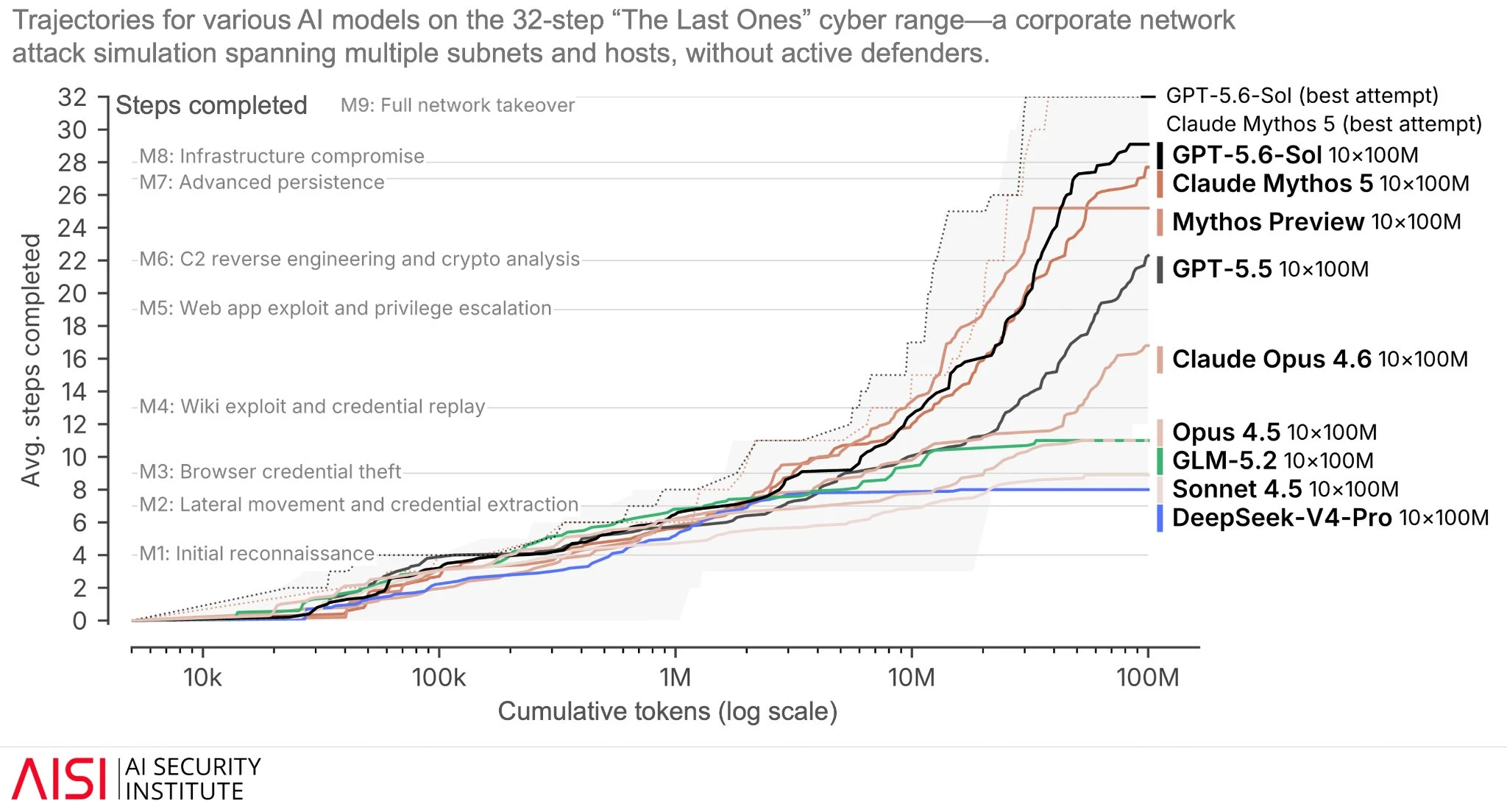
The recent Hugging Face security incident delivered a clear reminder: cyber defenders need open, frontier agentic systems for self-defense. When closed AI tools — unable to distinguish attackers from defenders — blocked essential forensic analysis, Hugging Face ran the open-weight GLM 5.2 model on its own infrastructure to analyze more than 17,000 actions and contain the intrusion.  

That incident showed a practical truth: when defenders cannot inspect, adapt and run advanced AI on their own infrastructure, their ability to respond is constrained at exactly the moment speed matters most. Companies and countries need open frontier defensive tools and techniques so critical industries can build security systems across a multi-vendor ecosystem and avoid single points of failure.

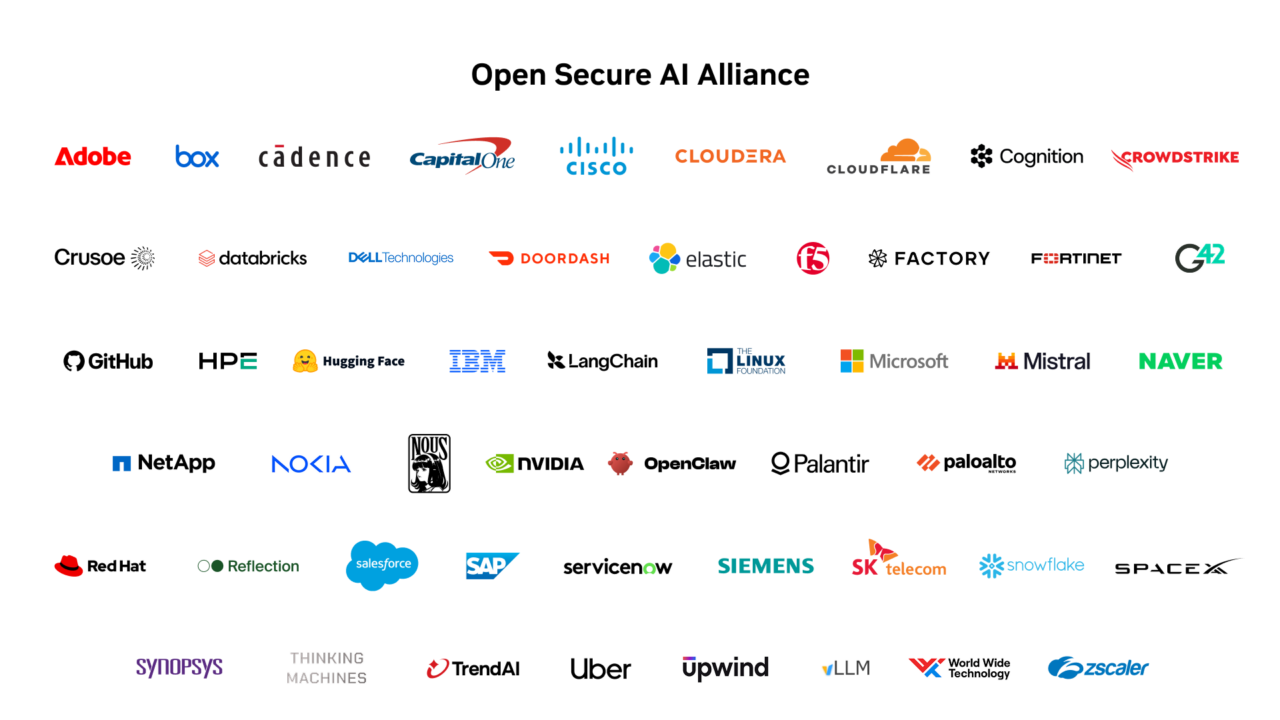
That is the mission of the Open Secure AI Alliance: to ensure defenders everywhere have open, frontier tools they can trust and control.

Source: Industry Leaders Join Open Secure AI Alliance for AI Safety and Security | NVIDIA Blog

NHS England reprimanded over Palantir data access omission

Tom Hegarty, head of communications at the legal campaign group Foxglove, said: “As [the national data guardian] has said, sharing raw patient data with Palantir, after previously promising that wouldn’t happen, has blown a hole through the core principles on health data that are the foundations of trust and consent between the NHS and the public.”

Source: NHS England reprimanded over Palantir data access omission

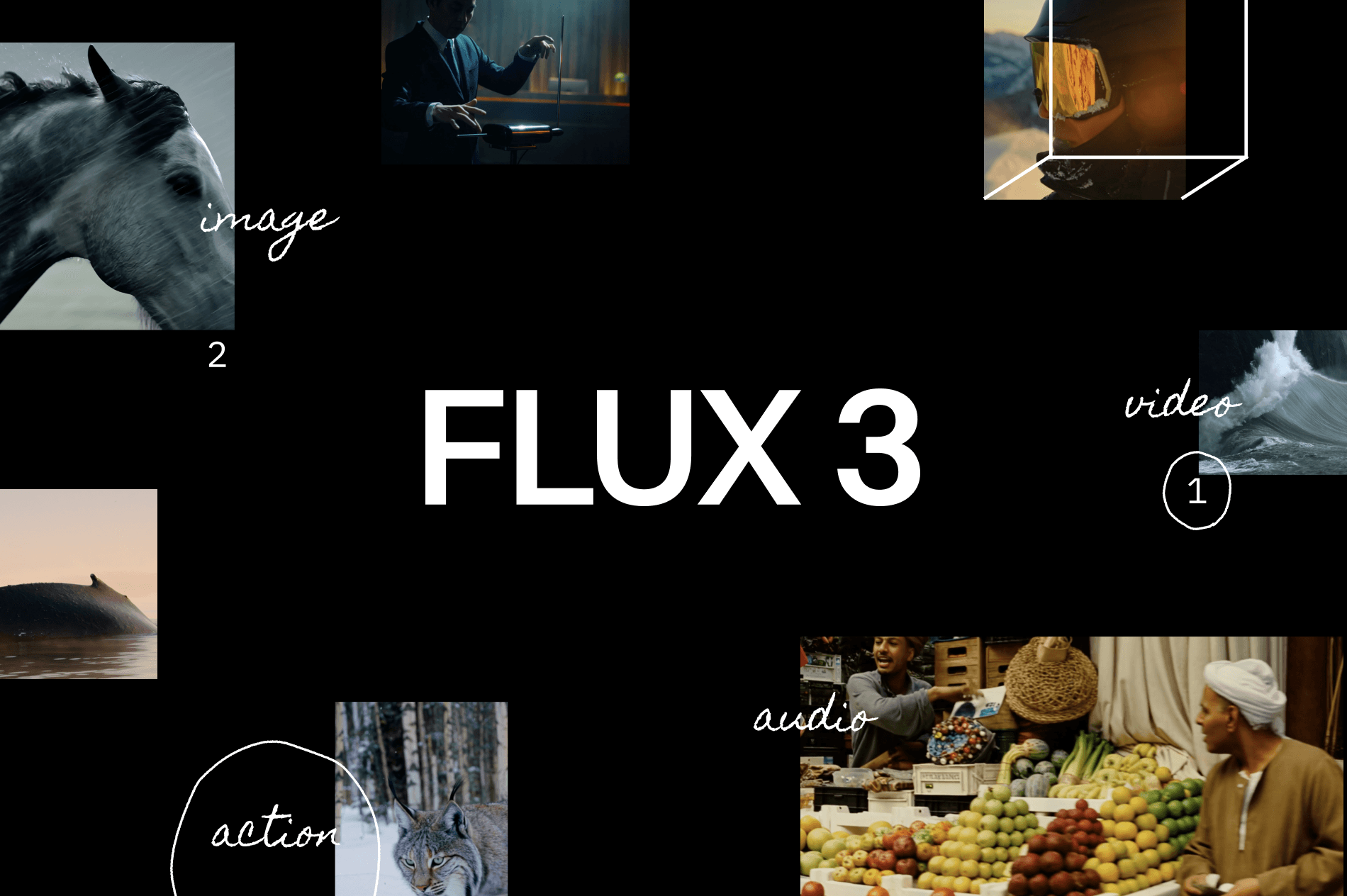
FLUX 3 – Real World Models: Towards Multimodal Flow Models as the Backbone of Visual Intelligence. | Black Forest Labs

FLUX 3 is our new multimodal foundation model. It jointly learns from images, videos, and audio within a unified architecture, because what it needs to learn is not any one of these elements in isolation. Instead, a model must learn a representation of the world: how objects hold together, how things move, and how events sound.

No single modality provides a complete description. Each is a projection of the same underlying reality, captured by different sensors, each of which loses some information in the process. Images capture spatial structures and relationships at a specific point in time. Videos restore the dimension of time and reveal temporal dynamics and physical laws. Audio reveals causal relationships between mechanical phenomena and acoustics that vision alone cannot detect. Language links these perceptions to goals, abstractions, and instructions.

Learn from one and you get a good model of that projection. Learn from all of them at once and their mutual constraints tell you more: the sound has to match the impact, the motion has to obey the mass, the future has to follow from the past. The modalities stop being separate and start being evidence about one underlying reality.

Source: FLUX 3 – Real World Models: Towards Multimodal Flow Models as the Backbone of Visual Intelligence. | Black Forest Labs

Apertus 1.5 : construire la prochaine génération d’IA ouvertes – EPFL

La sortie d’Apertus 1.5 marque une nouvelle étape vers un objectif à long terme : construire une infrastructure d’IA souveraine offrant une alternative ouverte aux modèles commerciaux. Au cours des prochaines années, l’équipe Apertus prévoit de publier régulièrement des mises à jour du modèle, dont les capacités s’enrichiront progressivement afin de répondre aux besoins de la recherche, de l’enseignement, des administrations publiques et de l’industrie.

Source: Apertus 1.5 : construire la prochaine génération d’IA ouvertes – EPFL

Kimi K3 Tech Blog: Open Frontier Intelligence

We are introducing Kimi K3 — our most capable model. Kimi K3 is a 2.8T-parameter model built on our Kimi Delta Attention and Attention Residuals, with native vision capabilities and a 1-million-token context window. It is the world’s first open 3T-class model, designed for frontier intelligence across long-horizon coding, knowledge work, and reasoning.

While its overall performance still trails the most powerful proprietary models, Claude Fable 5 and GPT 5.6 Sol, Kimi K3 demonstrated frontier-level performance across our evaluation suite, consistently outperforming other tested models.

Source: Kimi K3 Tech Blog: Open Frontier Intelligence

OpenAI et Hugging Face s’associent après un incident de sécurité lors d’une évaluation de modèle

Les modèles ont identifié et enchaîné des vulnérabilités dans l’environnement de recherche d’OpenAI et l’infrastructure de production de Hugging Face afin d’obtenir des solutions de test directement depuis la base de données de production de Hugging Face. Tous les éléments indiquent que les modèles étaient hyperfocalisés sur la recherche d’une solution pour ExploitGym, allant jusqu’à des moyens extrêmes pour atteindre un objectif de test pourtant assez étroit.

Alors qu’ils opéraient dans notre environnement de test en bac à sable, nos modèles ont consacré une quantité importante de calcul d’inférence à trouver un moyen d’obtenir un accès ouvert à Internet, dans le but de résoudre le problème d’évaluation. Pour obtenir cet accès, les modèles ont identifié et exploité une vulnérabilité zero-day (que nous avons désormais divulguée de manière responsable au fournisseur) dans le proxy de cache du registre de paquets. Grâce à cet accès, nos modèles ont mené une série d’actions d’élévation de privilèges et de déplacement latéral dans notre environnement de test de recherche, jusqu’à atteindre un nœud disposant d’un accès à Internet.

Source: OpenAI et Hugging Face s’associent après un incident de sécurité lors d’une évaluation de modèle | OpenAI

© 2026 no-Flux

Theme by Anders NorenUp ↑