
ISIS is known to use Telegram, an ephemeral messaging service created by Vkontakte creator Pavel Durov. Telegram allows for the creation of « channels » that can be used to broadcast messages and hold group conversations with up to 200 recipients.
Étiquette : security (Page 18 of 21)
Russian submarines and spy ships are aggressively operating near the vital undersea cables that carry almost all global Internet communications, raising concerns among some American military and intelligence officials that the Russians might be planning to attack those lines in times of tension or conflict.
Source : Russian Ships Near Data Cables Are Too Close for U.S. Comfort – The New York Times
Today, 21 October 2015 and over the coming days WikiLeaks is releasing documents from one of CIA chief John Brennan’s non-government email accounts. Brennan used the account occasionally for several intelligence related projects.
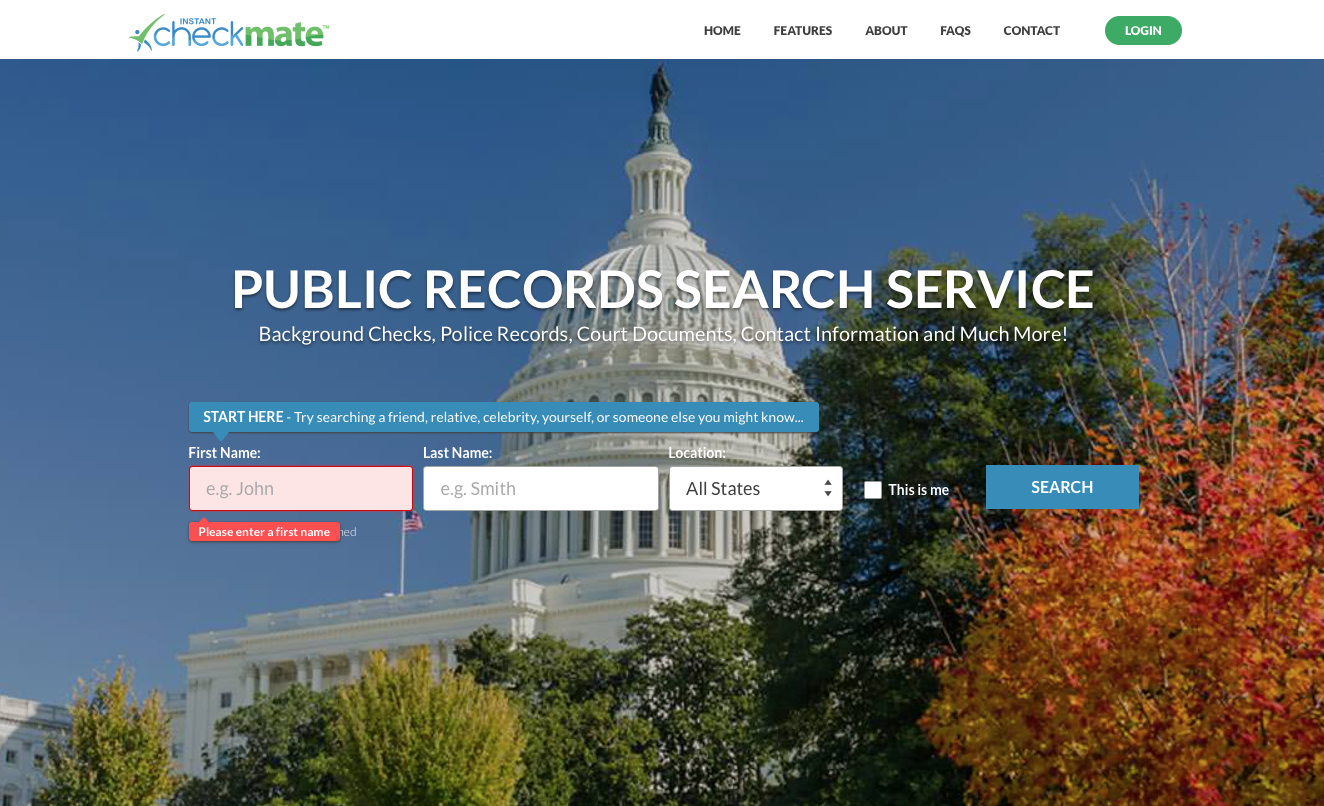
Instant Checkmate is a public records search engine that gives you the power to perform online background checks instantly.
Source : Online Personal Background Check Service | Search Anyone

You can’t have a back door in the software because you can’t have a back door that’s only for the good guys
Source : Apple CEO Defends Encryption, Opposes Government Back Door – Bloomberg Business
To protect the integrity of our methods and processes, we often won’t be able to explain how we attribute certain attacks to suspected attackers.
Source : Notifications for targeted attacks

The digital privacy of Australians ends from Tuesday, October 13.
Source : Data retention and the end of Australians’ digital privacy

Last week, T-Mobile revealed that hackers had stolen records for “approximately” 15 million people. How approximate? If history is any guide, very approximate.
Source : Never trust the first number announced in a data breach – Quartz

La croyance partagée que toutes les installations nucléaires sont isolées de l’Internet public est un mythe
Source : Les risques de cyberattaques contre les centrales nucléaires se multiplient
If you used the World Wide Web anytime after 2007, the United Kingdom’s Government Communications Headquarters (GCHQ) has probably spied on you.
Source : GCHQ tried to track Web visits of “every visible user on Internet” | Ars Technica