Page 232 of 636

Pour le designer Fabien Girardin, l’avenir est à des interfaces, des expériences, des algorithmes, des conceptions qui transforment nos pratiques sociales, nous aidant à modérer notre obsession collective pour les métriques et la comparaison, nous aidant à améliorer la conversion plutôt que la connexion (que favorisent les likes et les retweets), réduise le coût social du désabonnement aux actualités d’un profil, promeuvent la solitude, nous aide à réguler notre besoin à accumuler des contacts, nous aide à oublier pour mieux nous souvenir, nous invite à attendre moins de la technologie et plus de nous-mêmes ou des autres.

Source : Qui sera responsable des “maladies de la connexion” ? « InternetActu.net

This is a design fiction to provoke discussions on innovative social media interfaces, platforms, algorithms and design patterns that do not uniquely focus on speed, the “now”, and the accumulation of “moments”. Social media that inform, surprise, remember, provoke but without begging for our focus or attention.

Source : 6andme

Does the language you speak online matter? The unprecedented ability to communicate and access information are all promises woven into the big sell of the internet connection. But how different is your experience if your mother tongue, for example, is Swahili rather than English?

Source : The digital language divide

Global Language Network

How is the world connected? The Global Language network shows connections among language groups that are expressed in Book Translations, Tweets and Wikipedia edits.

Source : Global Language Network

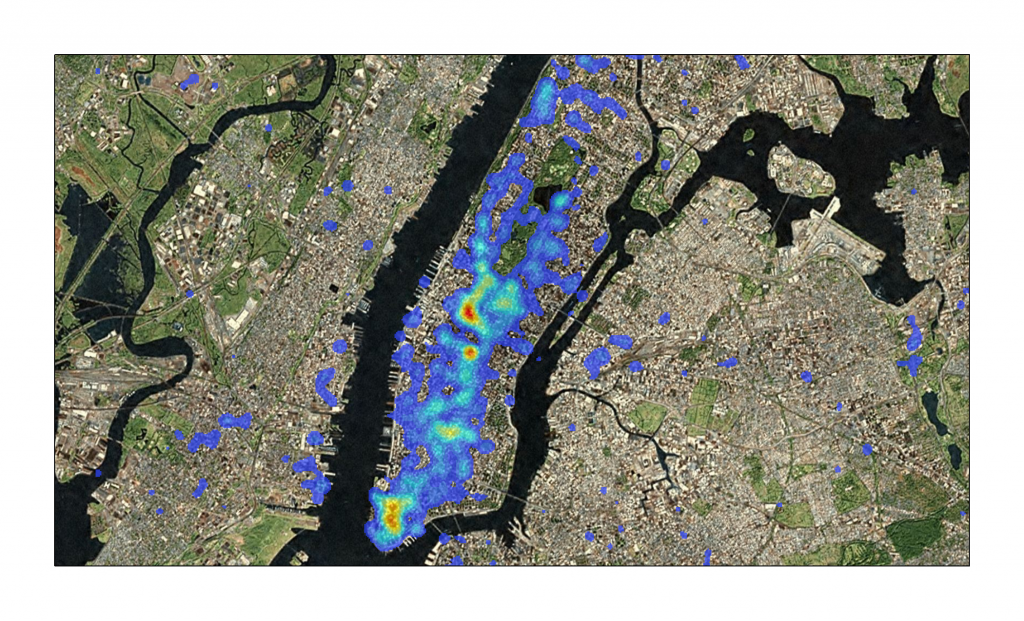
There are many ways to gauge importance from a social and cultural sense, such as calculating the centrality of the Salt Lake City Airport in a network made up of world airports, or measuring the number and type of notable individuals a city produces. We struggle with just such a question of metrics all the time in the digital humanities, and so I’ve experimented with several more off-the-wall measures. One that I think provides a sense of cultural density, especially in the English-speaking world, is a measure of the quantity of Wikipedia articles associated with a place. It’s very rough, and meant to be one of the ever-useful “gestures” at meaning that are used in the humanities (while the sciences have perfected the proxy, the gesture is truly the most valuable humanities commodity).

Source : A Map to Nowhere | Digital Humanities Specialist

Taha Yasseri of the Oxford Internet Institute and colleagues looked at Wikipedia’s different language editions from their inception (January 2001 for English) to March 2010 and ranked the most contested articles, based on the number of reverts and the number of edits the contributors have made (dubbed their “maturity score”). The results in some ways confirm cultural stereotypes. Americans bicker over politics and professional wrestling; among the top French squabbles is Freud.

Source : Daily chart: Edit wars | The Economist

« Older posts Newer posts »

© 2026 no-Flux

Theme by Anders Noren — Up ↑