Étiquette : security (Page 9 of 21)

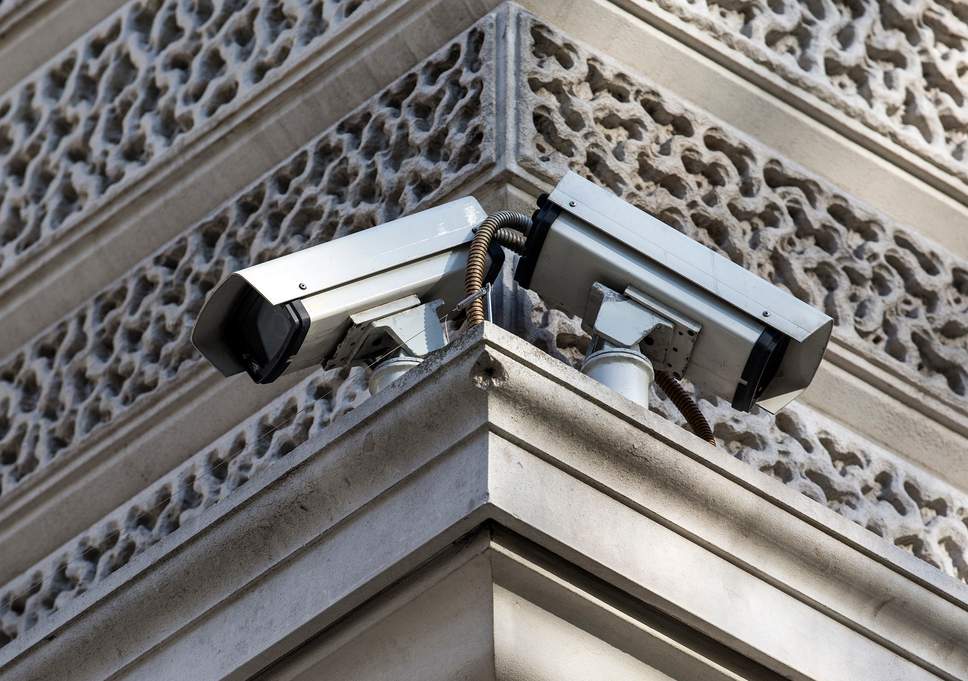
The security camera commissioner has said he is concerned about quantity of false positives

“Facial recognition software used by the UK’s biggest police force has returned false positives in more than 98 per cent of alerts generated, The Independent can reveal, with the country’s biometrics regulator calling it “not yet fit for use”. The Metropolitan Police’s system has produced 104 alerts of which only two were later confirmed to be positive matches, a freedom of information request showed. In its response the force said it did not consider the inaccurate matches “false positives” because alerts were checked a second time after they occurred”.

Source : Metropolitan Police’s facial recognition technology 98% inaccurate, figures show | The Independent

«DARPA’s MediFor program brings together world-class researchers to attempt to level the digital imagery playing field, which currently favors the manipulator, by developing technologies for the automated assessment of the integrity of an image or video and integrating these in an end-to-end media forensics platform. If successful, the MediFor platform will automatically detect manipulations, provide detailed information about how these manipulations were performed, and reasonoverall integrity of visual media to facilitate decisions regarding the use of any questionable image or video».

Source : Media Forensics

«We mask passwords through a process called hashing using a function known as bcrypt, which replaces the actual password with a random set of numbers and letters that are stored in Twitter’s system. This allows our systems to validate your account credentials without revealing your password. This is an industry standard.   Due to a bug, passwords were written to an internal log before completing the hashing process. We found this error ourselves, removed the passwords, and are implementing plans to prevent this bug from happening again».

Source : Keeping your account secure

«When a ProtonMail user sends an expiring message to another ProtonMail user, it looks like a regular email in the inbox. After the message expires, it is automatically deleted from the inbox and the sender’s outbox. In Gmail’s current implementation, it sounds like Google simply generates an email with a link. The message behind the link disappears after a while, but not necessarily the intermediate email. It’s also worth noting that Google doesn’t mention end-to-end encryption anywhere. A “confidential” message doesn’t have to be encrypted. It’s likely that Google could still see the content of that message and comply with warrants».

Source : Google is testing self-destructing emails in new Gmail | TechCrunch

«Le numérique ne se substitue jamais à une réalité, que ce soit l’information, le transport ou la politique mais l’augmente et l’élargit. Ce peut donc être tout autant le totalitarisme augmenté que la démocratie augmentée.Nous avons déjà des outils juridiques pour gérer cela, comme la Commission informatique et liberté et ses règlements, mais il me paraît essentiel d’aller plus loin en provoquant de vrais débats de société sur cette double dialectique entre privé et public et entre sécurité et liberté dont les frontières sont aujourd’hui profondément remises en cause».

Source : Pierre Musso : « L’identification des personnes pose des questions éthiques profondes »

«Ce pourrait être la cyberattaque la plus importante ayant visé l’Allemagne. Selon des sources proches des services allemands de renseignement, citées par l’agence de presse DPA, mercredi 28 février, des hackeurs russes se seraient infiltrés dans le réseau informatique de l’administration fédérale, et ce pendant au moins un an».

Source : L’Allemagne attaquée par des hackeurs russes

« Older posts Newer posts »

© 2026 no-Flux

Theme by Anders NorenUp ↑