Étiquette : privacy (Page 1 of 47)

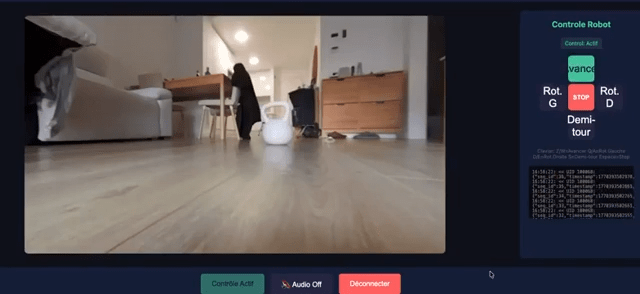
The DJI Romo robovac had security so poor, this man remotely accessed thousands of them

https://no-flux.beaude.net/wp-content/uploads/2026/02/videoframe_5741.png

“Sammy Azdoufal claims he wasn’t trying to hack every robot vacuum in the world. He just wanted to remote control his brand-new DJI Romo vacuum with a PS5 gamepad, he tells The Verge, because it sounded fun.But when his homegrown remote control app started talking to DJI’s servers, it wasn’t just one vacuum cleaner that replied. Roughly 7,000 of them, all around the world, began treating Azdoufal like their boss.He could remotely control them, and look and listen through their live camera feeds, he tells me, saying he tested that out with a friend. He could watch them map out each room of a house, generating a complete 2D floor plan. He could use any robot’s IP address to find its rough location.”

Source : The DJI Romo robovac had security so poor, this man remotely accessed thousands of them | The Verge

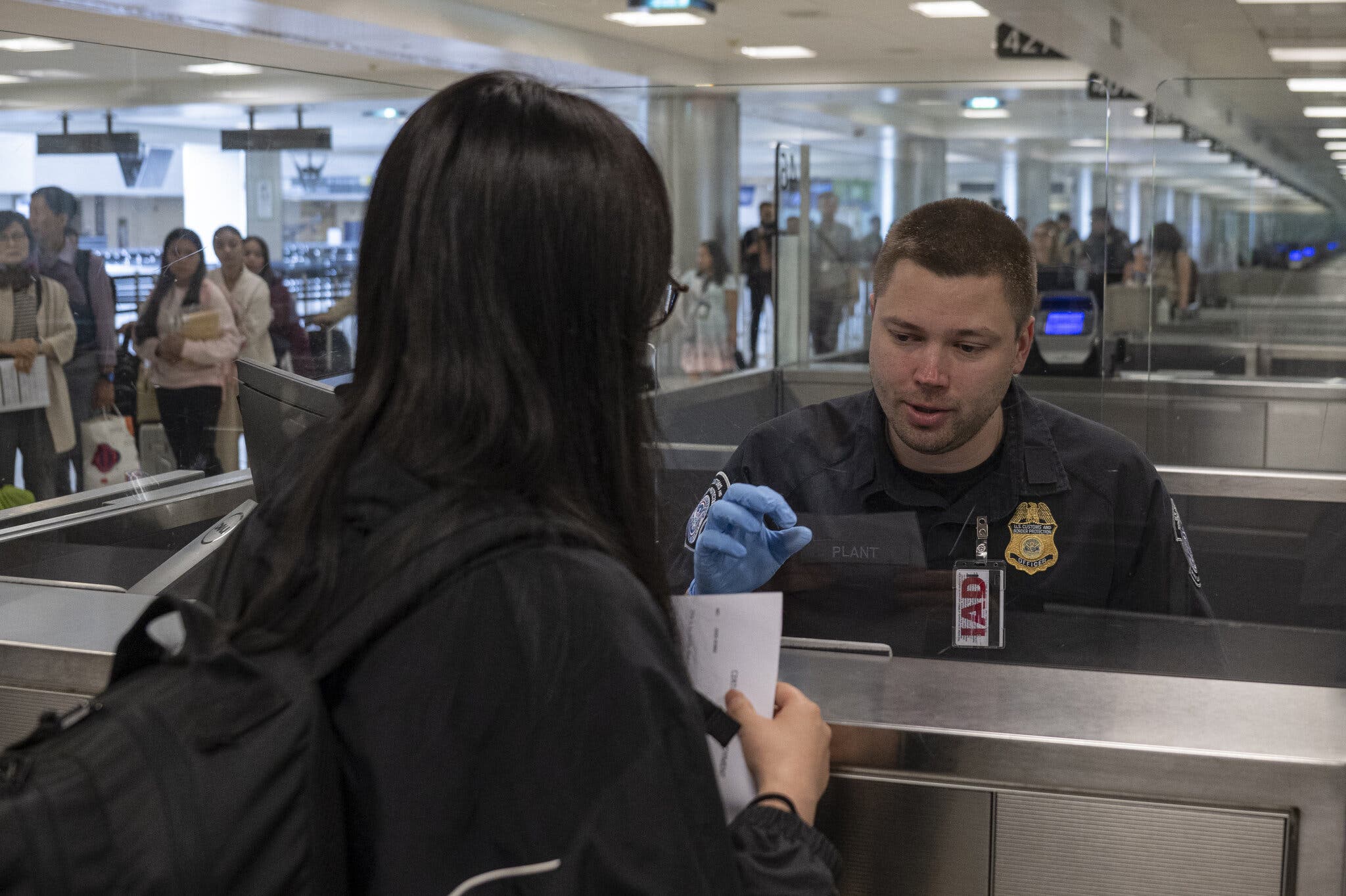
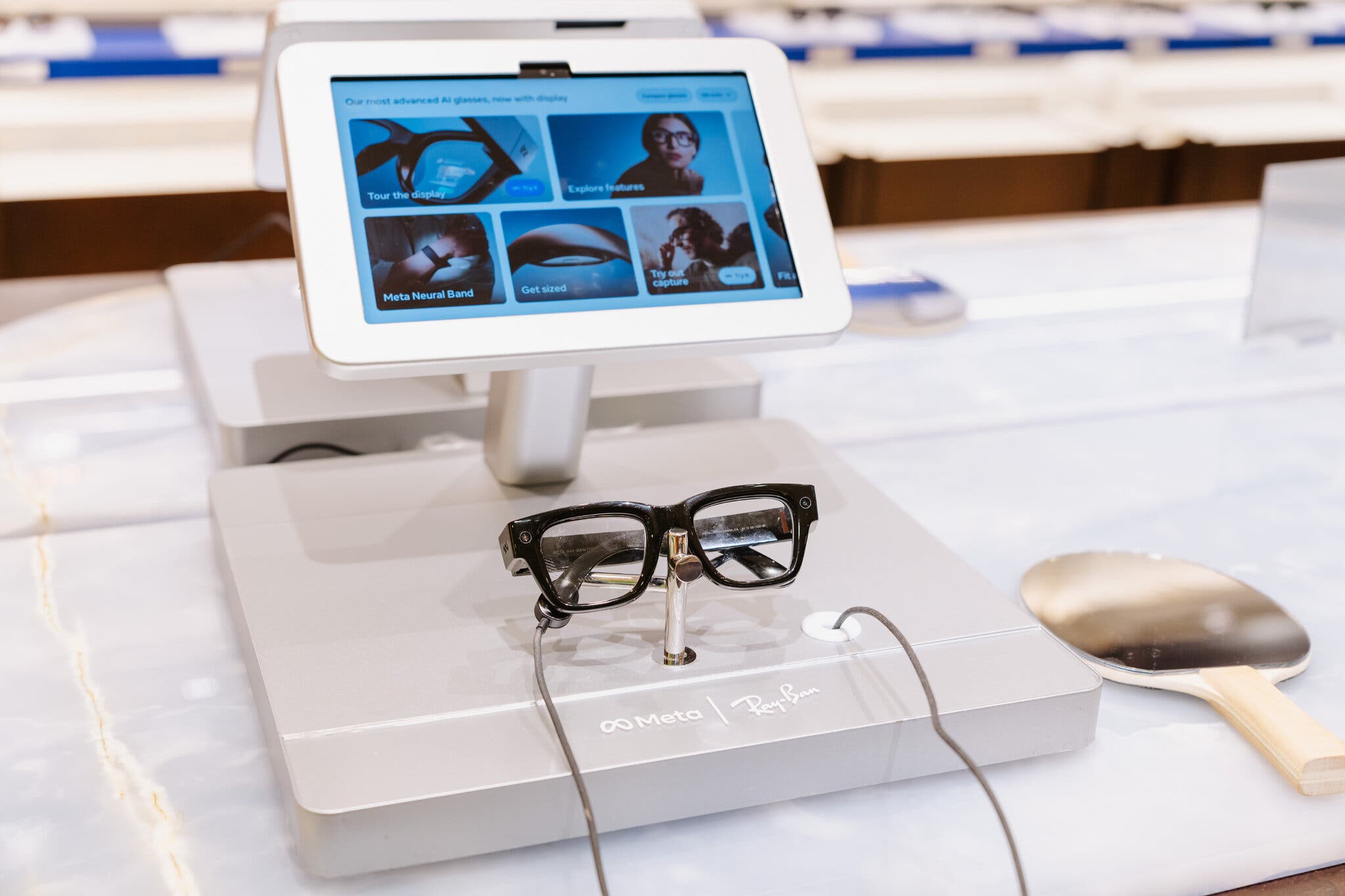
Meta Plans to Add Facial Recognition Technology to Its Smart Glasses

https://no-flux.beaude.net/wp-content/uploads/2026/02/BIZ-META-FACIAL-RECOGNITION-2-qwtg-superJumbo.jpg

“Meta, Facebook’s parent company, plans to add the feature to its smart glasses, which it makes with the owner of Ray-Ban and Oakley, as soon as this year, according to four people involved with the plans who were not authorized to speak publicly about confidential discussions. The feature, internally called “Name Tag,” would let wearers of smart glasses identify people and get information about them via Meta’s artificial intelligence assistant.Meta’s plans could change. The Silicon Valley company has been conferring since early last year about how to release a feature that carries “safety and privacy risks,” according to an internal document viewed by The New York Times. The document, from May, described plans to first release Name Tag to attendees of a conference for the blind, which the company did not do last year, before making it available to the general public.Meta’s internal memo said the political tumult in the United States was good timing for the feature’s release.“We will launch during a dynamic political environment where many civil society groups that we would expect to attack us would have their resources focused on other concerns,” according to the document from Meta’s Reality Labs, which works on hardware including smart glasses.”

Source : Meta Plans to Add Facial Recognition Technology to Its Smart Glasses – The New York Times

MI6 chief: ‘We are operating in space between peace and war’

“The new MI6 chief has said « we are now operating in a space between peace and war » as she laid out the « interlocking web of security challenges » that the service is working to tackle […].
In an age where data is key, where spies can no longer rely on false identities when biometric scanning can unmask them in seconds at borders and checkpoints, MI6 needs to prove that it can still be relevant.”

Source : MI6 chief: ‘We are operating in space between peace and war’

U.S. Plans to Scrutinize Foreign Tourists’ Social Media History

https://no-flux.beaude.net/wp-content/uploads/2025/12/09trav-social-visa-qkpf-superJumbo.jpg

“Travelers visiting the United States from countries like Britain, France, Germany and South Korea could soon have to undergo a review of up to five years of their social media history, according to a proposal filed on Tuesday by U.S. Customs and Border Protection. The change would affect visitors eligible for the visa waiver program, which allows people from 42 countries to travel to the United States for up to 90 days without a visa as long as they first obtain electronic travel authorization.”

Source : U.S. Plans to Scrutinize Foreign Tourists’ Social Media History – The New York Times

Euria : l’assistant IA souverain et gratuit pour ne plus dépendre des géants américains • Infomaniak

https://no-flux.beaude.net/wp-content/uploads/2025/12/Euria-features.png

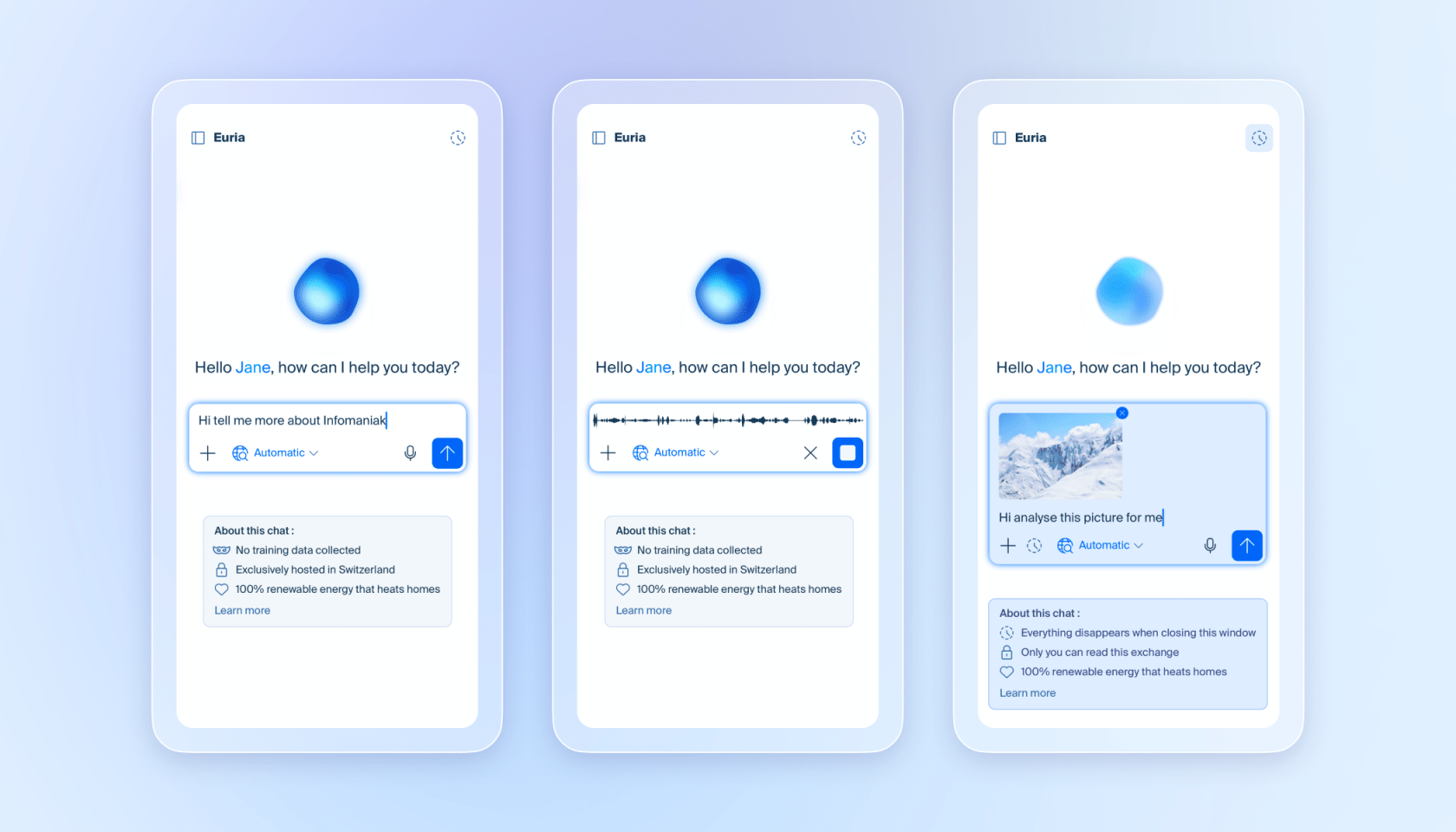
“Avec Euria, Infomaniak propose une solution qui change la donne : un assistant IA gratuit et exclusivement opéré en Suisse, alimenté exclusivement par de l’énergie renouvelable, qui respecte la vie privée et la confidentialité des échanges, et dont toute l’énergie est récupérée pour chauffer des logements. Une IA Éthique, Universelle, Responsable, Indépendante et Autonome.”

Source : Euria : l’assistant IA souverain et gratuit pour ne plus dépendre des géants américains • Infomaniak

120,000 Home Cameras Were Hacked for Sexual Videos, South Korean Police Say

A cityscape showing dozens of high-rise towers.

“Four people were arrested over the hacking of 120,000 home security cameras in South Korea, whose footage was used to make sexually exploitative material, the National Police Agency said on Monday. […]
Last year, a security camera firm based in California, Verkada, agreed to pay nearly $3 million in civil penalties to settle a U.S. Justice Department lawsuit over a breach of about 150,000 of its cameras inside places like hospitals and schools in 2021.”

Source : 120,000 Home Cameras Were Hacked for Sexual Videos, South Korean Police Say – The New York Times

La Commission publie son projet d’omnibus numérique dans un contexte tendu

https://no-flux.beaude.net/wp-content/uploads/2025/11/Capture-decran-2025-11-19-a-17.29.25-992x1024-1.png

“La Commission propose notamment de modifier la définition de ce qui constitue une donnée personnelle, pour laisser aux entreprises le soin « de déclarer si elles peuvent ou pas identifier une personne », illustre Itxaso Dominguez. Et l’EDRi d’alerter (.pdf) sur le risque de transformer une règle « universelle et claire » en une option « subjective ». Autre enjeu : l’ajout d’un nouvel « intérêt légitime » au traitement de données, pour le développement et l’utilisation de systèmes d’IA. Cette vision « étroite » de l’IA est aveugle aux effets d’une telle dérégulation sur d’autres secteurs, alerte noyb, à commencer par l’industrie publicitaire. Et son fondateur Max Schrems de regretter que la « course à l’IA » ne conduise « les politiques à abandonner les protections qui auraient dû précisément nous empêcher de voir toutes nos données intégrées dans un grand algorithme opaque ».”

Source : La Commission publie son projet d’omnibus numérique dans un contexte tendu – Next

Des données publicitaires géolocalisées ont permis de suivre à la trace des responsables de l’UE, parfois jusqu’à leur domicile

https://no-flux.beaude.net/wp-content/uploads/2025/11/9b2172d_upload-1-z6q9rv2lknq7-pistage-data-ue-1.png

“Chaque seconde, des millions de données personnelles s’échangent sur le marché de la publicité en ligne. Issues des applications installées sur les smartphones, elles sont parfois assorties d’une géolocalisation précise. Et permettent donc le pistage, parfois à quelques mètres près, de millions d’utilisateurs de mobiles. Ce marché publicitaire, où les données personnelles des mobinautes s’échangent et se vendent, prospère la plupart du temps sans que les premiers concernés en soient conscients. Et profite des angles morts des lois relatives aux données personnelles, en particulier le règlement général sur la protection des données (RGPD), adopté de haute lutte par l’Union européenne (UE) en 2016. Une nouvelle enquête sur les courtiers en données personnelles, menée par le quotidien belge L’Echo, la rédaction spécialisée allemande Netzpolitik.org, la radio néerlandaise BNR, la radio allemande BR et Le Monde, montre que personne n’est épargné par cette industrie hors de contrôle. Pas même celles et ceux qui sont censés concevoir et appliquer le droit européen des données personnelles. ”

Source : Des données publicitaires géolocalisées ont permis de suivre à la trace des responsables de l’UE, parfois jusqu’à leur domicile

« Older posts

© 2026 no-Flux

Theme by Anders NorenUp ↑