

«Epstein’s group asked 661 Americans to pick one of two candidates in an Australian election. Since it was presumed they did not know much about Antipodean politics, the participants were instructed to research them with a Google-type search engine that offered the usual autocomplete suggestions when words were typed in. However, the researchers also varied the search suggestions shown beneath a candidate’s name, including a range of positive and negative words. The results were stark. When participants were later questioned about their voting preferences, changing the ratio of positive to negative suggestions in the autocomplete was shown to be capable of shifting the preferences of undecided voters by nearly 80 per cent — even though participants seemed free to search for any material they wanted».
Étiquette : politics (Page 10 of 23)
«As in other countries, the citizens of Rohy will have to work to earn money. This currency will be in the form of cryptocurrency, called RohyCoin. Each payment will be made via the smartphone of the consumer. The trades offered at Rohy are varied. Some are essential to the good life of the country, for example: the police, the doctors, the restorers, the salesmen, or even the water managers. However, you can very well practice another profession, such as web developer or trader».
«Intensive survey research, data modelling and performance-optimising algorithms were used to target 10,000 different ads to different audiences in the months leading up to the election. The ads were viewed billions of times, according to the presentation».
Source : Leaked: Cambridge Analytica’s blueprint for Trump victory | UK news | The Guardian
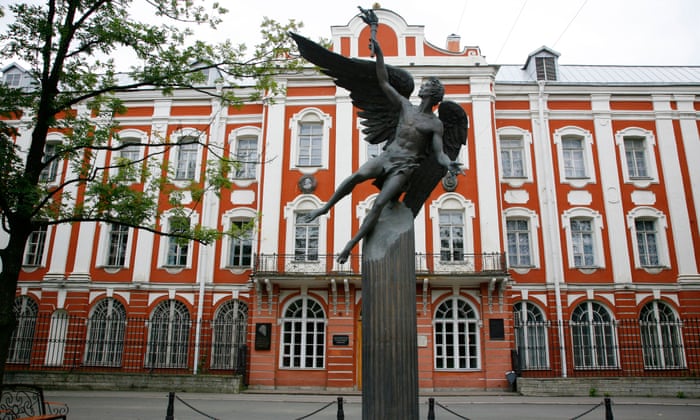
«Aleksandr Kogan, the Cambridge University academic who orchestrated the harvesting of Facebook data, had previously unreported ties to a Russian university, including a teaching position and grants for research into the social media network, the Observer has discovered. Cambridge Analytica, the data firm he worked with – which funded the project to turn tens of millions of Facebook profiles into a unique political weapon – also attracted interest from a key Russian firm with links to the Kremlin».
Source : Cambridge Analytica: links to Moscow oil firm and St Petersburg university | News | The Guardian
«The European Commission is drafting a new regulation specifically targeting online platforms such as e-commerce sites, app stores and search engines that will require the companies to be more transparent about how they rank search results and why they delist some services. The proposal seeks to address potentially harmful trading practices by online platforms and a lack of effective redress mechanisms for smaller businesses that use them to reach consumers».
#GAMEON After seeing that the White House produced a video depicting video games as ultra-violent, we felt compelled to share a different view of games. Video games, their innovative creators and the vast community of players are so much more than what is depicted in the White House’s video. We wanted to create our own version, at the same length, to challenge the White House’s misdirected blame being placed upon video games. To all you game developers and players who create and enjoy games – this is for you!

«One of Andrew Keen most intriguing arguments compares the power of the US tech giants today and the motor industry in the 1950s. At that time, the big three US manufacturers, Ford, GM and Chrysler, were busily churning out flashy and popular cars and controlled 96 per cent of the US market between them. Then in 1965 a young lawyer named Ralph Nader wrote Unsafe at Any Speed, assailing the car manufacturers for turning out lethal products that prioritised style over safety and created carnage on the country’s roads».
Source : The utopia project: can Silicon Valley fix the future?

«The Russian meddling machine has been focusing on Italy in recent months, conducting a disinformation campaign on the migration situation in order to drum up support for radical parties ahead of the general elections scheduled for Sunday».
«Ce pourrait être la cyberattaque la plus importante ayant visé l’Allemagne. Selon des sources proches des services allemands de renseignement, citées par l’agence de presse DPA, mercredi 28 février, des hackeurs russes se seraient infiltrés dans le réseau informatique de l’administration fédérale, et ce pendant au moins un an».