Étiquette : emotions (Page 1 of 2)

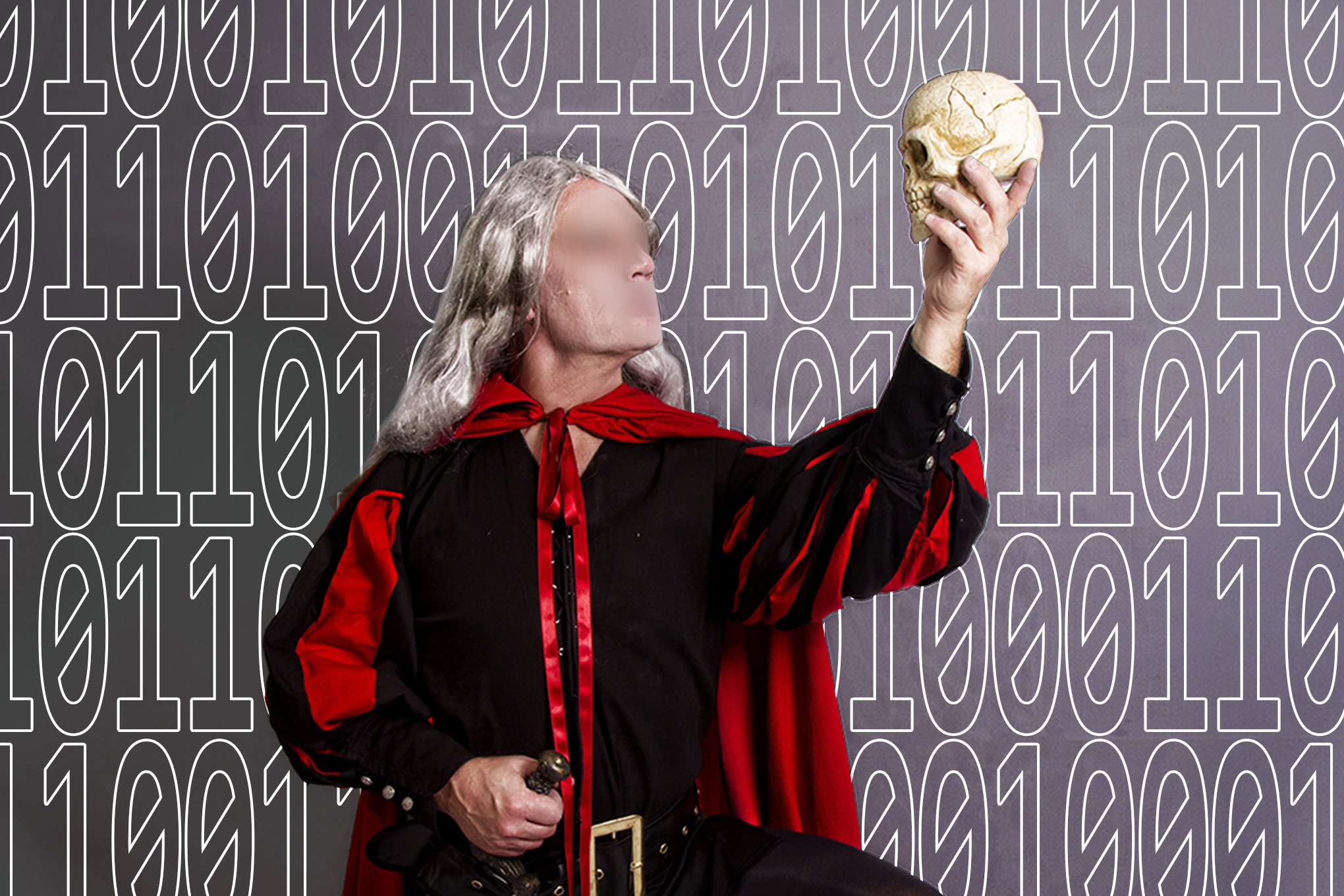
AI companies want to use improv actors to train AI on human emotion

https://no-flux.beaude.net/wp-content/uploads/2026/03/268402_AI_companies_want_to_harvest_improv_actors_skills_to_train_large_AI_models_on_human_emotion_and_tone_CVirginia.jpg

““Handshake AI is inviting actors, improvisers, and performers to join a paid, collaborative improv project to work with one of the leading AI companies,” the job description says, promising participants will be “matched with other performers over video and given a light prompt or scenario to explore together.” The job listing calls for people with a background in acting, improv, sketch, or theater work of any kind, and it takes pains to imply — multiple times — that it’s looking for people who can essentially “test the limits of the world’s top LLMs’ understanding” by teaching the models how to recognize or replicate human tone and emotions. “Emotional awareness” is one of the requirements, for instance, specifically the “ability to recognize, express, and shift between emotions in a way that feels authentic and human.” The job listing also called for “interactions that feel grounded, human, and fun to play.””

Source : AI companies want to use improv actors to train AI on human emotion | The Verge

Les entreprises plongées dans le brouillard juridique du recrutement avec les IA émotionnelles

“Entré en vigueur en juin 2024, le premier volet du règlement européen sur l’intelligence artificielle (AI Act), qui porte sur les IA interdites, intègre dans le cadre du travail ces outils de déduction des émotions. « La base scientifique des systèmes d’IA visant à identifier ou à déduire les émotions suscite de vives inquiétudes, d’autant plus que l’expression des émotions varie considérablement d’une culture à l’autre et d’une situation à l’autre, voire au sein d’un même individu, souligne le règlement. Parmi les principales lacunes de ces systèmes figurent leur fiabilité limitée, leur manque de spécificité et leur capacité limitée de généralisation. »
La Commission nationale de l’informatique et des libertés met d’ailleurs en garde les entreprises : « Ce n’est pas parce que ces solutions sont en vente qu’elles sont légales et conformes d’un point de vue de la protection des données », prévient Eric Delisle, chef de service juridique de cette entité, en rappelant que c’est aux entreprises qu’il revient de s’assurer sur ce point qu’elles sont bien dans la légalité. L’avertissement vaut d’autant plus que ce texte encore récent invite à la prudence dans son interprétation.”

Source : Les entreprises plongées dans le brouillard juridique du recrutement avec les IA émotionnelles

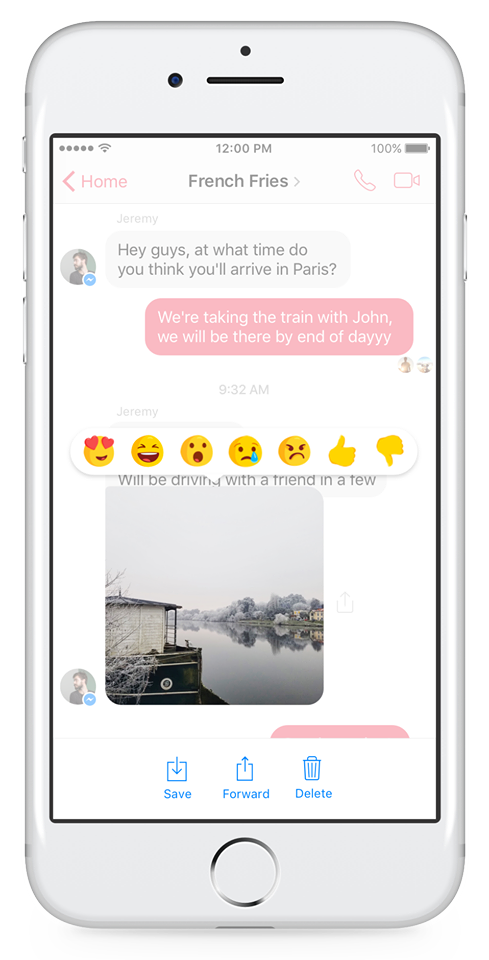
Twitter is testing emoji reactions for tweets

“Emoji reactions have been available for years on other services like Facebook, as well as on Twitter itself within direct messages. But what’s interesting about Twitter’s emoji choices for its latest test is that none of them are especially negative. There’s no “Angry face” like you’ll find on Facebook, or “Thumbs down” like in Twitter’s direct message emoji reactions.Twitter explains that it decided against choosing these negative emoji because people it surveyed said “they were concerned about receiving negative reactions to some of their thoughts.” A valid concern given how toxic many conversations on Twitter can be.”

Source : Twitter is testing emoji reactions for tweets – The Verge

TELEMMGLPICT000211074639.jpeg

“80 to 90 per cent of the predictive assessment was based on the algorithms’ analysis of candidates’ use of language and verbal skills. “There are 350-ish features that we look at in language: do you use passive or active words? Do you talk about ‘I’ or ‘We.’ What is the word choice or sentence length? In doctors, you might expect a good one to use more technical language,” he said. “Then we look at the tone of voice. If someone speaks really slowly, you are probably not going to stay on the phone to buy something from them. If someone speaks at 400 words a minute, people are not going to understand them. Empathy is a piece of that.” The company says the tecnology is different to facial recognition and instead analyses expressions. Facial expressions assessed by the algorithms include brow furrowing, brow raising, eye widening or closing, lip tightening, chin raising and smiling, which are important in sales or other public-facing jobs.”

Source : AI used for first time in job interviews in UK to find best applicants


WTF !!!

“From the moment your LOVOTs arrive, your life will always be filled with a little love.”

Source : LOVOT

Bolsonaro

“Son véritable secret tient à l’alliance entre l’architecture de ces réseaux et le contenu inflammatoire, sensationnaliste et polémique qu’il y distille. Les études du sociologue Paolo Gerbaudo, de l’université Kings College de Londres, démontrent que ce type de contenus stimule le partage et sa propagation. Or, pour cela, Bolsonaro a un don indéniable : il a même réussi à choquer la fille de Jean-Marie Le Pen ! Le virtuel futur président du Brésil est ouvertement misogyne, homophobe, raciste et défend les exécutions extrajudiciaires, l’utilisation de la torture et l’interdiction des ONG. En somme, il prône la fin de la démocratie libérale et des droits de l’homme.”

Source : Election au Brésil : « Vers une nouvelle victoire des réseaux sociaux sur la démocratie ? »

« Older posts

© 2026 no-Flux

Theme by Anders NorenUp ↑