

« The world’s first pro-grade lens and sensor combo that clips to your smartphone ». (via Sony Smartphone Camera| Smartphone Attachable Lens-Style Camera Review | DSC-QX100/B | Sony USA)
Page 447 of 629
« Internet censorship and surveillance are growing global phenomena. ONI’s mission is to identify and document Internet filtering and surveillance, and to promote and inform wider public dialogues about such practices ».
« Today, as more than two billion people live under oppressive rule, Freedom House speaks out against the main threats to democracy and empowers citizens to exercise their fundamental rights. We analyze the challenges to freedom; advocate for greater political and civil liberties; and support frontline activists to defend human rights and promote democratic change. Founded in 1941, Freedom House was the first American organization to champion the advancement of freedom globally ».
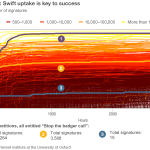
« Online petitions need to attract large numbers of signatures on their first day if they are to stand any chance of success, researchers have said ». (via BBC News – First day ‘is crucial for success of e-petitions’)

Senator John McCain plays poker on his iPhone during a U.S. Senate Committee on Foreign Relations concerning the use of force in Syria, on Capitol Hill in Washington DC, Tuesday, September 3, 2013. (via McCain playing poker on his iPhone)
Public Transport flows, UK (par Joan Serras)
(Source: http://vimeo.com/)
The case and Google’s role in it underscore a tension between some Silicon Valley companies and the government over national security surveillance and the secrecy surrounding it. Google has been pushing back against data-gathering tools called national security letters in two federal courts since this spring. Such letters, known as NSLs, allow the Federal Bureau of Investigation to demand account information and other data, but not the content of calls and emails. They typically come with a strict gag order, and companies cannot even acknowledge they receive them.


« En plus d’afficher le plus grand nombre de demandes (tant numériquement que proportionnellement à leur nombre d’utilisateurs), les Américains voient près de 80% de leur requête satisfaite ». (via Facebook : les Etats-Unis comptent pour 45% des demandes de renseignement)
