
Comme d’autres grands médias, le New York Times s’est retrouvé au centre d’une crise dans laquelle la partie la plus visible est le départ de sa directrice de la rédaction, Jill Abramson, remplacée, jeudi 15 mai, par Dean Baquet.
Au même moment a fuité, sur le site d’information Buzzfeed, un long mémo sur l’innovation dans le célèbre quotidien américain, peignant un tableau sombre de sa stratégie numérique. Ces 90 pages constituent un document rare.
Page 352 of 628
« It’s only part of the abuse that the child’s parents caught on a hidden camera, which they set up after the child’s grandmother became suspicious of the nanny, who the paper calls « Agatha. » Agatha was charged with cruelty to a child for the January 2013 incident, but a jury found her not guilty on a legal technicality ». (par HotNews)
(Source: https://www.youtube.com/)
Every single person in a crowd becomes a mini sensor.
While the FCC’s latest proposal doesn’t specifically authorize fast lanes, it didn’t have to: they’re already legal. ISPs can charge Web services like Netflix (“edge providers” in regulatory parlance) for a faster path to consumers over the last mile of the network because there aren’t any enforceable rules against it.
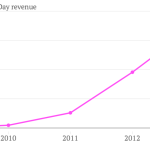
« The popularity of Alibaba’s Single’s Day prompted other firms to follow its lead and has arguably been an impetus for the entire online retail industry ». (via How Alibaba invented the world’s biggest online shopping holiday – Quartz)

« La nouvelle frontière numérique du droit sera nécessairement européenne. Que ce soit pour la régulation des plateformes, le statut des données, l’économie de la data: c’est l’échelon pertinent pour porter les valeurs de la France », a souligné Axelle Lemaire.
En reconnaissant la possibilité pour un internaute de faire supprimer des pages de Google, la Cour européenne de justice consolide le droit à l’oubli. Plus précisément, les juges expliquent que même si des informations personnelles ont été agrégées dans un premier temps en toute légalité par un moteur de recherche, un internaute peut demander à un moteur de recherche de ne plus les utiliser si ces informations se révélaient dans un second temps « inadéquates, pas ou plus pertinentes ou excessives ».
Future versions of the open-source Firefox browser will include closed-source digital rights management (DRM) from Adobe, the Mozilla project’s chief technology officer, Andreas Gal, announced on Wednesday. The purpose is to support commercial video streams. But this is a radical, disheartening development in the history of the organisation, long held out as a beacon for the open, free spirit of the web as a tool for liberation. As Gal’s blogpost makes clear, this move was done without much enthusiasm, out of a fear that Firefox (Mozilla’s flagship product and by far the most popular free/open browser in the world) was being sidelined by Apple, Google and Microsoft’s inclusion of proprietary technology to support Netflix and other DRM-encumbered videos in their browsers.

« That’s not necessarily a reflection of any problems at the Times but the reality of how news is now distributed on the internet. Homepage traffic is declining at most news sites as readers increasingly find links to news articles from social media, email, and other sources ». (via The homepage is dead, and the social web has won—even at the New York Times – Quartz)