L’imitateur de Sam Jaccard (par Police Neuchâteloise)
(Source: https://www.youtube.com/)
L’imitateur de Sam Jaccard (par Police Neuchâteloise)
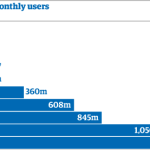
« By the end of 2013, Facebook boasted 1.23bn monthly active users worldwide, adding 170m in just one year. According to Facebook, 757m users log on to Facebook daily, as of 31 December 2013 ». (via Facebook: 10 years of social networking, in numbers | News | theguardian.com)
Non seulement la firme de Mountain View garde le droit d’user de sa position dominante pour mettre en avant ses services spécialisés sur son moteur de recherche, au détriment des concurrents qui subissent le poids écrasant de Google (plus de 90 % des recherches en Europe), mais en plus il pourra faire payer ces concurrents pour afficher leurs résultats.
Les ordinateurs, à mesure qu’ils sont plus performants, effectuent le travail anciennement dévolu à la classe moyenne, scindant la société en deux : une oligarchie très riche dont les compétences sont complémentaires à celle des machines et le reste, une sorte de prolétariat vivotant de petits boulots précaires. Une situation que certains économistes comparent au Moyen Âge, un monde avec quelques seigneurs et d’innombrables serfs. Au dire de Charlotte Allen et des économistes qu’elle interroge, toute la Silicon Valley est en train de se transformer selon ce principe, depuis le milieu des années 90, quand les derniers emplois manufacturiers ont disparu au profit de la Chine.
En ouverture d’audience, la magistrate chargée de rappeler les faits semblait même ne pas connaître Google, prononcé à la française « gogleu », ni savoir ce que signifie un « login », prononcé « lojin ». Difficile, dans ces conditions, d’expliquer qu’il est effectivement possible de tomber sur des documents de travail par une simple recherche…
Je ne sais pas si j’ai envie d’une ville intelligente qui soit “technologique”, au sens où l’on verrait des éoliennes sur chaque toit, où mon mobile ne cesserait de bipper à chaque fois que je croiserai une balise RFID et où toutes les publicités commenceraient par “Gilles…” Cette ville-là, a déjà été décrite dans la science fiction et elle n’est pas intelligente en ce sens où la technologie est visible et précède l’être humain, avec tous les risques de totalitarismes que cela présuppose.
Il s’agit de définir à qui on peut dévoiler quoi, et de définir son rapport aux autres sur le Net, autant qu’aux entreprises comme Facebook et aux Etats. Cette « négociation » se renouvelle dans un cadre de complexité sociale et technologique croissante. Ainsi la peur de voir la vie privée disparaître révèle l’ampleur croissante de nos attentes à son égard, tout autant que la difficulté à saisir les nouveaux modes par lesquels elle s’exprime.
La société française Linkfluence a annoncé jeudi une levée de fonds de 3,5 millions d’euros. Fondée en 2006 à Compiègne, elle se spécialise dans l’analyse des conversations sur les réseaux sociaux, un service qu’elle propose notamment à des marques ou des grands médias.
Unable to compete when it comes to calculation, the best workers will come with heart in hand.
© 2026 no-Flux
Theme by Anders Noren — Up ↑