Catégorie : Non classé (Page 16 of 630)

How Latam-GPT is building culturally relevant AI for the region

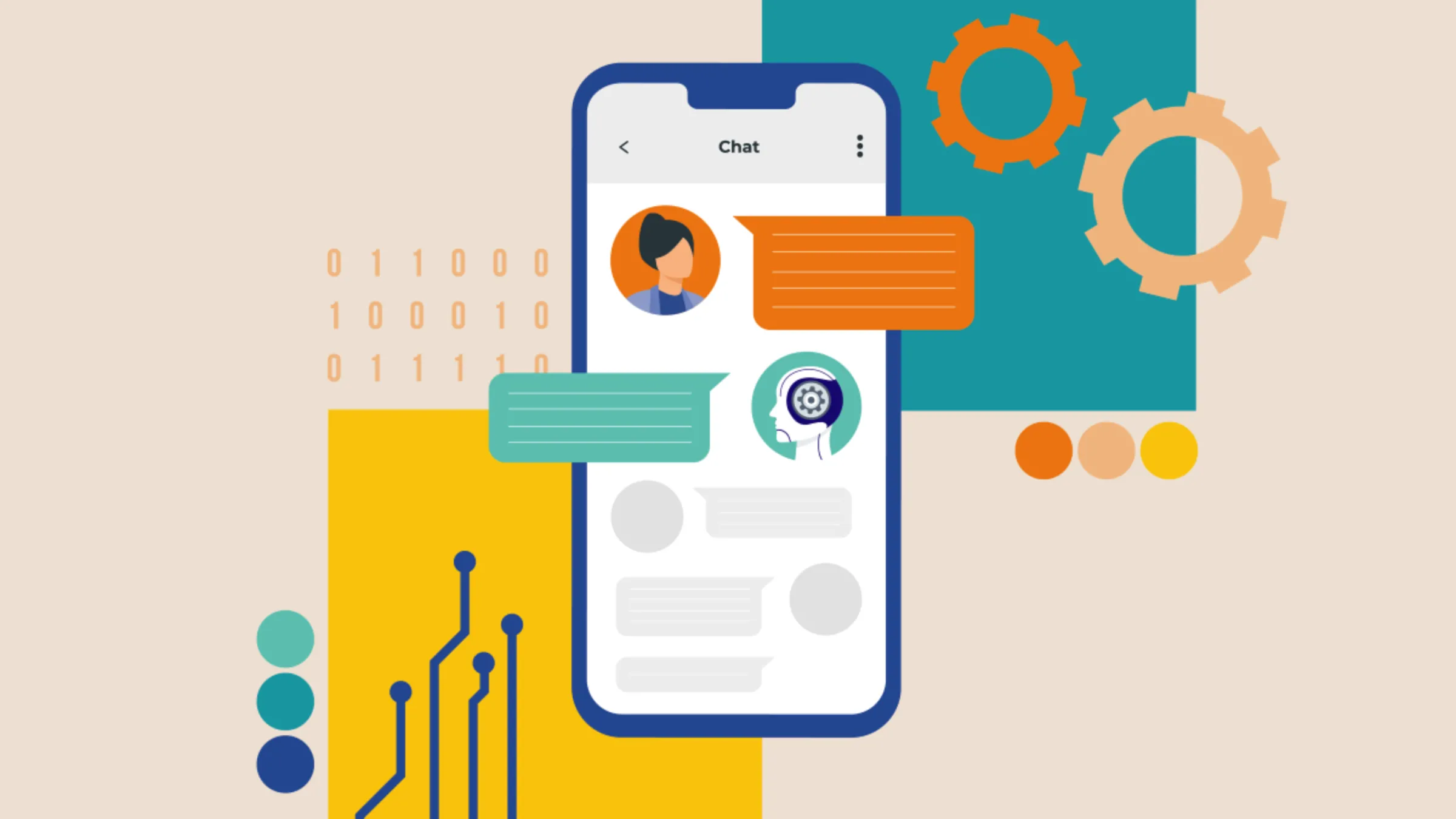
An illustration of a mobile phone showing a chat between a user and an AI chatbot

« This digital repository is really important. It supports all the linguistic revitalisation efforts we’ve been working on and helps young people reconnect with the language. »
Latin America is not alone in building home-grown models and AI-powered tools.Around the world, governments are racing to create AI systems tailored to local languages and needs.The United Arab Emirates government, for example, has launched Falcon and Jais to advance Arabic AI.India is developing BharatGPT to support more than 14 regional languages, led by public universities and backed by the Department of Science & Technology, in partnership with AI firm CoRover.In South Korea, tech giant Naver Corporation has introduced HyperCLOVA for Korean, while AI Singapore, a national programme funded by Singapore’s government, is building SEA-LION to serve Southeast Asia.

Source : How Latam-GPT is building culturally relevant AI for the region | Context by TRF
How People Use ChatGPT

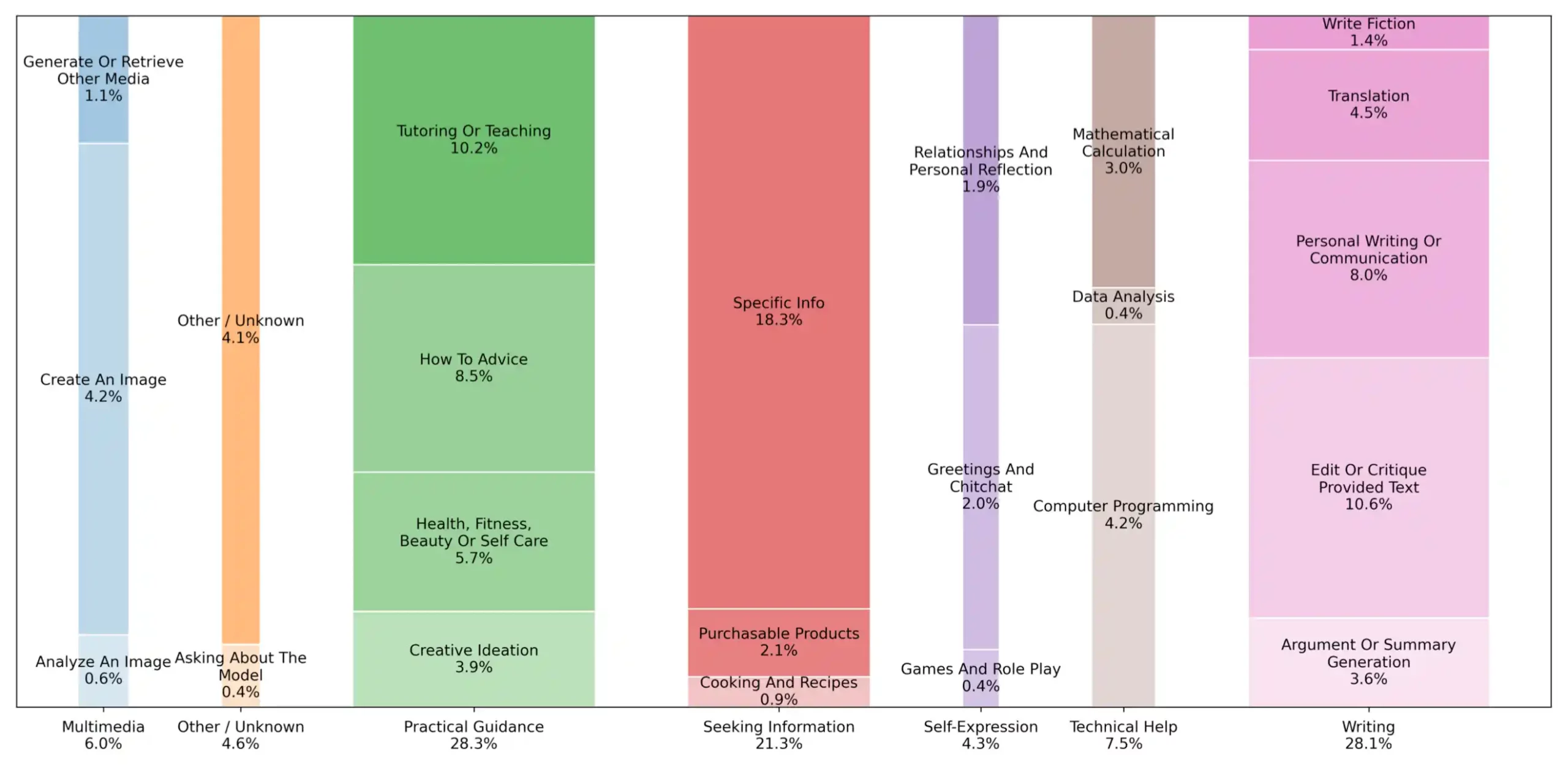
“Despite the rapid adoption of LLM chatbots, little is known about how they are used. We document the growth of ChatGPT’s consumer product from its launch in November 2022 through July 2025, when it had been adopted by around 10% of the world’s adult population. Early adopters were disproportionately male but the gender gap has narrowed dramatically, and we find higher growth rates in lower-income countries. Using a privacy-preserving automated pipeline, we classify usage patterns within a representative sample of ChatGPT conversations. We find steady growth in work-related messages but even faster growth in non-work-related messages, which have grown from 53% to more than 70% of all usage. Work usage is more common for educated users in highly-paid professional occupations. We classify messages by conversation topic and find that “Practical Guidance,” “Seeking Information,” and “Writing” are the three most common topics and collectively account for nearly 80% of all conversations. Writing dominates work-related tasks, highlighting chatbots’ unique ability to generate digital outputs compared to traditional search engines. Computer programming and self-expression both represent relatively small shares of use. Overall, we find that ChatGPT provides economic value through decision support, which is especially important in knowledge-intensive jobs. ”

Source : How People Use ChatGPT | NBER

AI Sovereignty Is a Spectrum, Not a Switch

“To have full AI sovereignty, you’d need to control absolutely every element of the AI pipeline. Think about what that really means. You’d need to develop and build your own chips; not just design them, but actually manufacture them. You’d need to build and run your own models. Your data pipeline would need to be completely under your control. And so on.And all of this – from the rare earth elements in your hardware to the energy powering your data centers – would need to be independent from external forces. Maybe the United States can achieve this. China might get close. But for smaller countries? For Switzerland, Belgium, or really any nation that isn’t a global superpower? It’s just not realistic.”

Source : AI Sovereignty Is a Spectrum, Not a Switch

Les États-Unis sont devenus le plus gros investisseur en matière de logiciels espions

Affichage de l'image en full screen

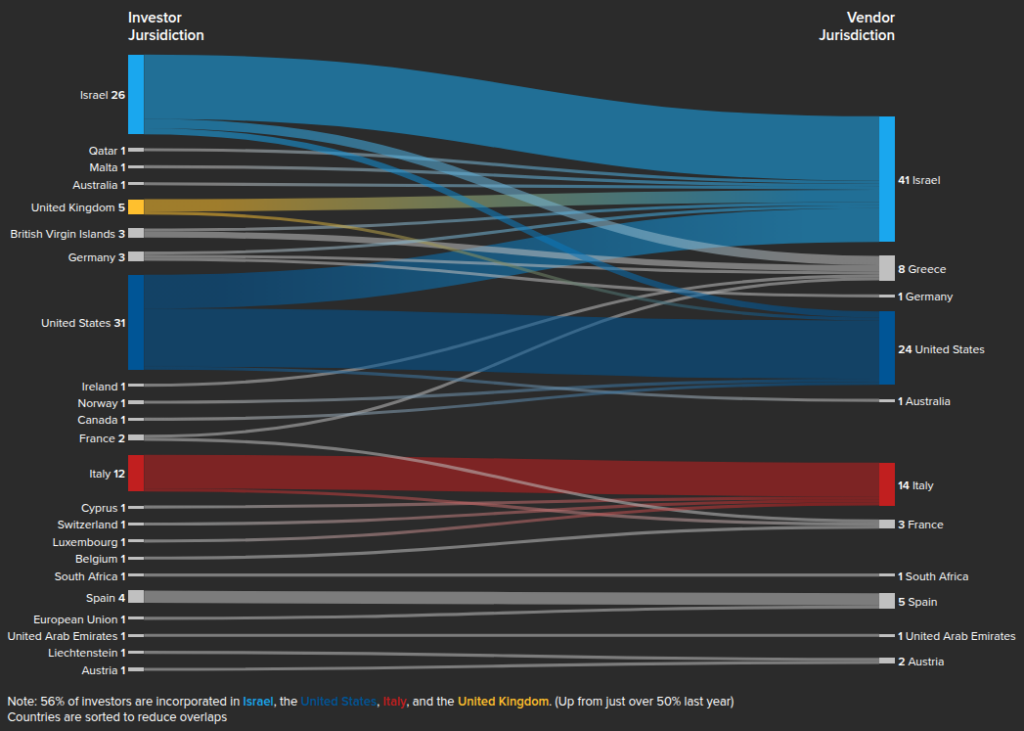
“Les États-Unis sont devenus en 2024, avant même que Donald Trump ne soit réélu, le plus gros investisseur en matière de logiciels espions réservés aux États, forces de l’ordre et services de renseignement.Sur les 34 nouveaux investisseurs identifiés en 2024, 20 sont américains, portant leur nombre total à 128, dont 31 aux États-Unis. 31 autres résident en Europe, dont 12 en Italie, connue pour être une plaque tournante des logiciels espions, cinq au Royaume-Uni, quatre en Espagne, plus 26 en Israël. Les deux entités françaises, Nexa Technologies (ex-Amesys) et Zerodium (ex-VUPEN), ont depuis cédé ou cessé leurs activités.”

Source : Les États-Unis sont devenus le plus gros investisseur en matière de logiciels espions – Next

Rapport menaces et incidents – CERT-FR

“Depuis 2021, Apple envoie des campagnes de notifications aux individus ciblés par des attaques menées à l’aide de logiciels espions.Ces logiciels, tels que Pegasus, Predator, Graphite ou Triangulation sont particulièrement sophistiqués et difficiles à détecter.Ces attaques complexes ciblent des individus pour leur statut ou leur fonction : journalistes, avocats, militants, hommes politiques, hauts fonctionnaires, membres de comités de direction de secteurs stratégiques, etc.La réception d’une notification signifie qu’a minima un des appareils liés au compte iCloud a été ciblé et serait potentiellement compromis.La notification se traduit par la réception d’un iMessage et d’un courriel d’alerte envoyé par Apple (depuis l’adresse threat-notifications[at]email.apple.com ou threat-notifications[at]apple.com). Lors de la connexion au compte iCloud, une alerte est affichée. Le temps entre la tentative de compromission et la réception de la notification est de plusieurs mois, mais reste variable.”

Source : Rapport menaces et incidents – CERT-FR

Europe vs Google : déjà 11,2 milliards d’euros d’amendes, où en sont les procédures ?

Europe vs Google : déjà 11,2 milliards d’euros d’amendes, où en sont les procédures ?

“Voici pour commencer un rappel des quatre amendes prononcées par la Commission européenne, avec les montants initiaux. L’une d’entre elles a été annulée, une autre confirmée et une troisième légèrement réduite, mais en attente de confirmation (ou non) par la Cour de Justice de l’Union européenne. 2017 : 2,42 milliards d’euros (moteur de recherche, comparateur de prix) 2018 : 4,3 milliards d’euros (Android) 2019 : 1,49 milliard d’euros (publicité en ligne) 2025 : 2,95 milliards d’euros (publicité en ligne) Le montant dépasse les 11 milliards d’euros, trois des quatre procédures sont encore en cours.”

Source : Europe vs Google : déjà 11,2 milliards d’euros d’amendes, où en sont les procédures ? – Next

How Simplify in the Google app uses AI to make complex text easier to understand

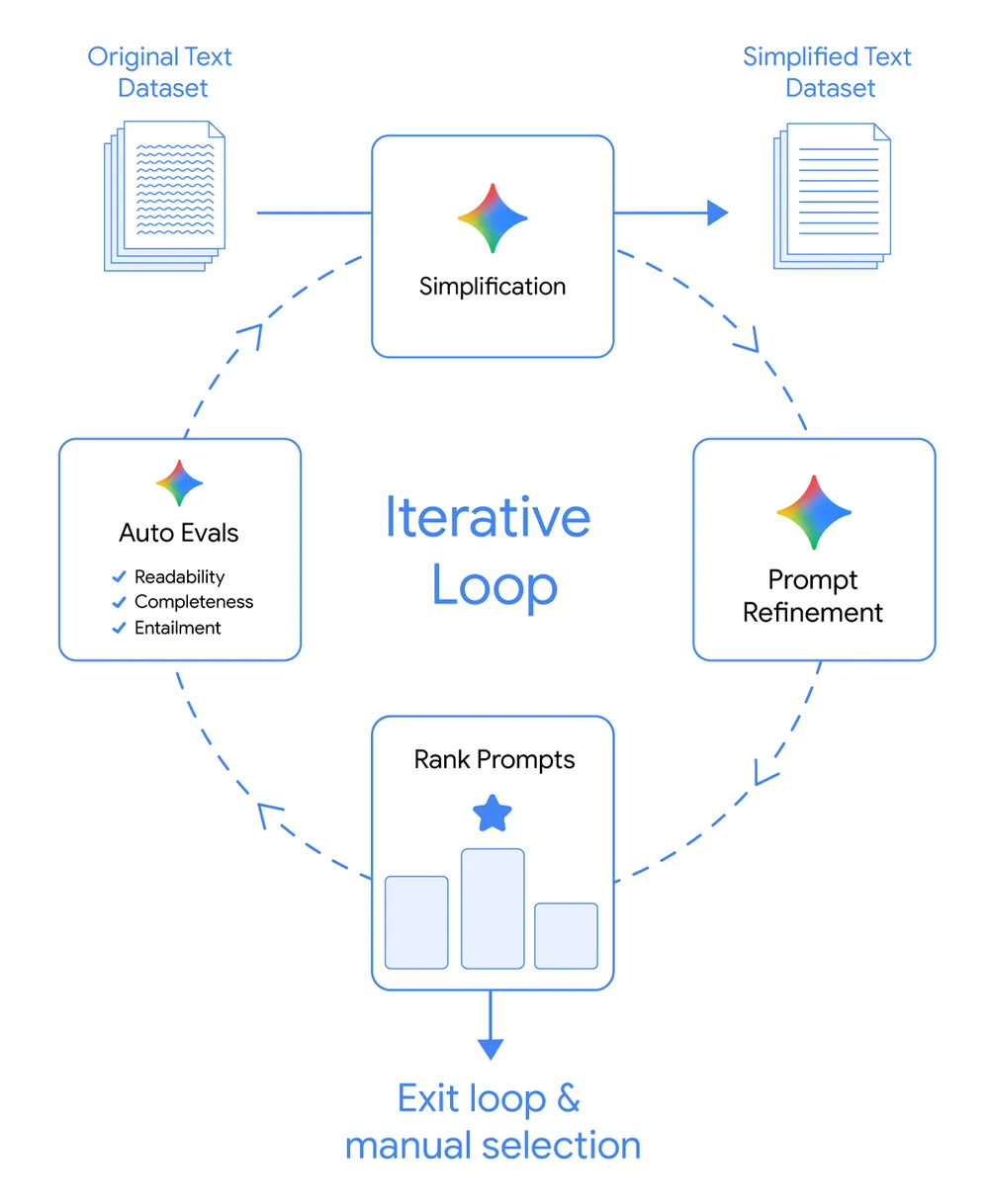
A flowchart illustrates an iterative loop for improving text simplification. An original text is simplified and then evaluated on readability, completeness and entailment. Based on the evaluation, prompts are refined and ranked to continue the loop.

“The path to Simplify began in the specialized world of medicine, where no detail should be spared. « Doctors sometimes use language that’s purposefully obscured to reduce patient anxiety or preserve privacy, » says Diego Ardila, a Google Research software engineer. « They might say, ‘The patient is undergoing emesis,’ which just means they’re vomiting. Sometimes there’s a use for that inside a hospital, but other times it actually gets in the way.”The team built an internal simplification demo, and started testing it on text outside of medicine. “We found that it just kept working because the underlying AI models are general-purpose,” Diego says. “Seeing its potential for broader applications, we shared it with other teams.””

Source : How Simplify in the Google app uses AI to make complex text easier to understand

YouTube secretly used AI to edit people’s videos. The results could bend reality

Illustration by Serenity Strull/ Getty Images An illustration of a woman's face being altered and skewed by-the-pixel on a YouTube video (Credit: Illustration by Serenity Strull/ Getty Images)

“YouTube did not respond to the BBC’s questions about whether users will be given a choice about AI tweaking their videos.It’s certainly true that modern smartphones come with built-in AI features that can enhance image and video quality. But that’s an entirely different affair, according to Samuel Woolley, the Dietrich chair of disinformation studies at the University of Pittsburgh in the US. « You can make decisions about what you want your phone to do, and whether to turn on certain features. What we have here is a company manipulating content from leading users that is then being distributed to a public audience without the consent of the people who produce the videos. »”

Source : YouTube secretly used AI to edit people’s videos. The results could bend reality

Elon Musk’s xAI Published Hundreds Of Thousands Of Grok Chatbot Conversations

https://no-flux.beaude.net/wp-content/uploads/2025/08/1960x0.jpg

“Today, a Google search for Grok chats shows that the search engine has indexed more than 370,000 user conversations with the bot. The shared pages revealed conversations between Grok users and the LLM that range from simple business tasks like writing tweets to generating images of a fictional terrorist attack in Kashmir and attempting to hack into a crypto wallet. Forbes reviewed conversations where users asked intimate questions about medicine and psychology; some even revealed the name, personal details and at least one password shared with the bot by a Grok user. Image files, spreadsheets and some text documents uploaded by users could also be accessed via the Grok shared page. ”

Source : Elon Musk’s xAI Published Hundreds Of Thousands Of Grok Chatbot Conversations

Our first advanced nuclear reactor project with Kairos Power and Tennessee Valley Authority

“Today we announced the first deployment of Kairos Power’s advanced nuclear reactor — the Hermes 2 Plant in Oak Ridge, Tennessee — through a new power purchase agreement (PPA) between Kairos Power and Tennessee Valley Authority (TVA). Marking the first purchase of electricity from an advanced GEN IV reactor by a U.S. utility, this agreement will enable 50 megawatts (MW) of nuclear energy on TVA’s grid that powers our data centers in Montgomery County, Tennessee and Jackson County, Alabama.”

Source : Our first advanced nuclear reactor project with Kairos Power and Tennessee Valley Authority

« Older posts Newer posts »

© 2026 no-Flux

Theme by Anders NorenUp ↑