Auteur/autrice : noflux (Page 1 of 629)

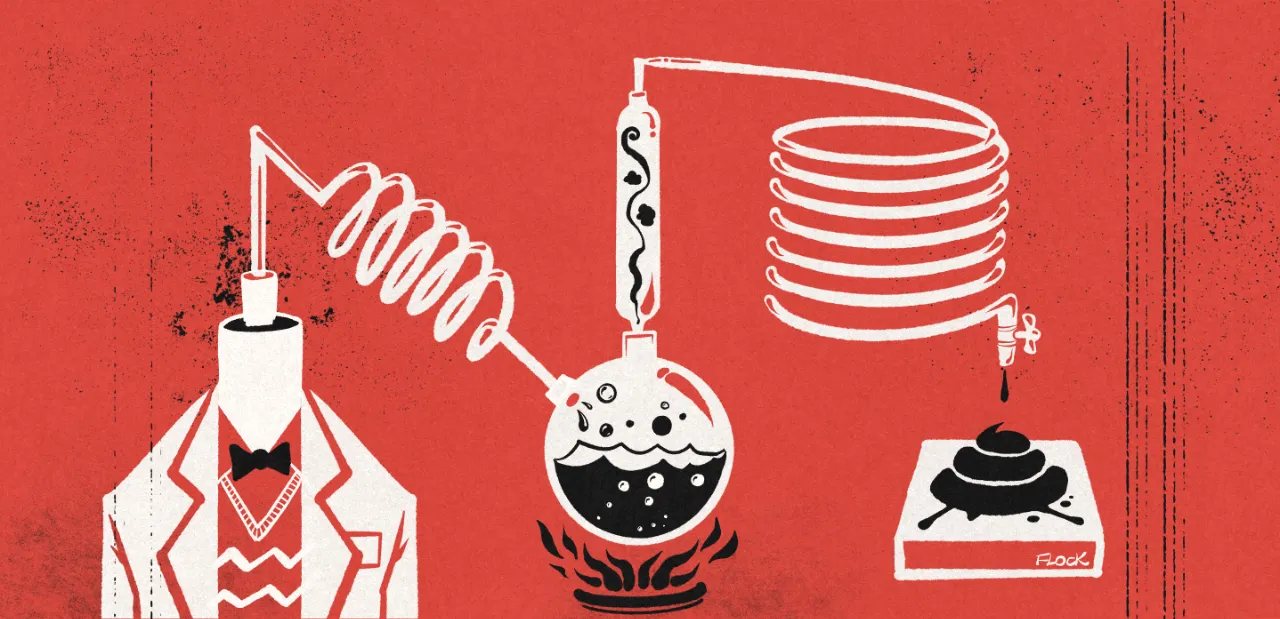
OpenAI ends Disney partnership as it closes Sora video-making app

https://ichef.bbci.co.uk/news/1536/cpsprodpb/bf4a/live/a6f433a0-2807-11f1-af73-bd55eb0878e2.jpg.webp

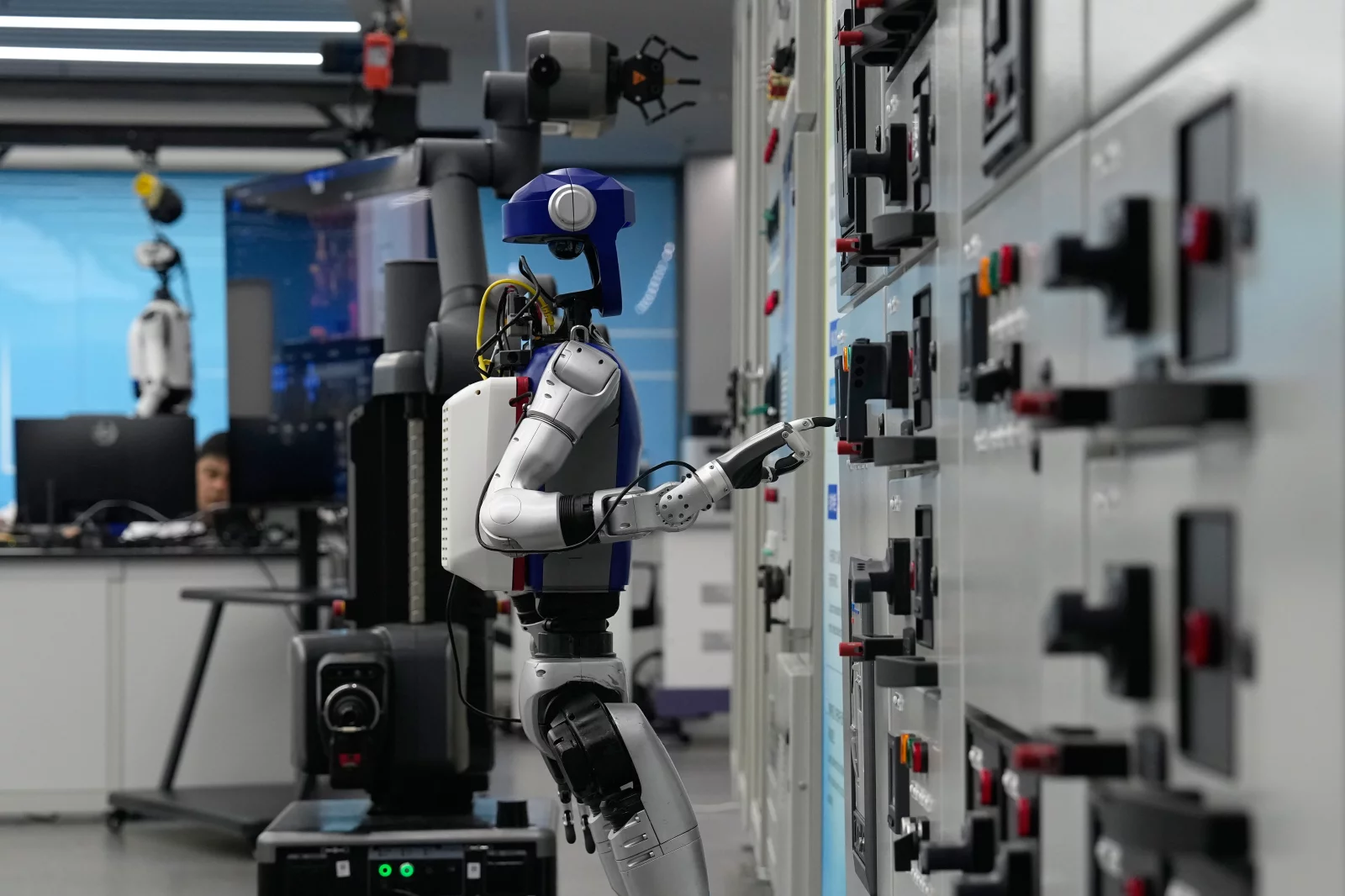
“OpenAI told the BBC on Wednesday that it has discontinued Sora so that it can focus on other developments, such as robotics « that will help people solve real-world, physical tasks. »
A spokesperson for The Walt Disney Company said « we respect OpenAI’s decision to exit the video generation business and to shift its priorities elsewhere ».
Disney will engage with other AI platforms to find ways to responsibly use the technology without infringing on intellectual property rights, a spokesperson said.
OpenAI said it is shutting down both its Sora consumer app and the internet-based platform that professional install to generate videos. The BBC understands that with the closure of Sora, OpenAI will no longer focus on developing video-generation tools.
The firm said it aims to create other forms of advanced AI, including « agentic » technology capable of autonomously completing tasks with little human oversight.”

Source : OpenAI ends Disney partnership as it closes Sora video-making app

Confronting the CEO of the AI company that impersonated me

https://no-flux.beaude.net/wp-content/uploads/2026/03/grammr-crop.jpg

“Back in August of last year, Grammarly shipped a feature called Expert Review, which allowed you to get writing suggestions from AI-cloned “experts,” and reporters at The Verge and other outlets discovered that those experts included us. It included me. No one had ever asked permission to use our names this way, and a lot of reporters were outraged by this — the talented investigative journalist Julia Angwin was so upset she filed a class action lawsuit about it. Superhuman responded to this by first offering up an email-based opt out and then killing the feature entirely. Shishir apologized, and you’ll hear him apologize again.”

Source : Confronting the CEO of the AI company that impersonated me | The Verge

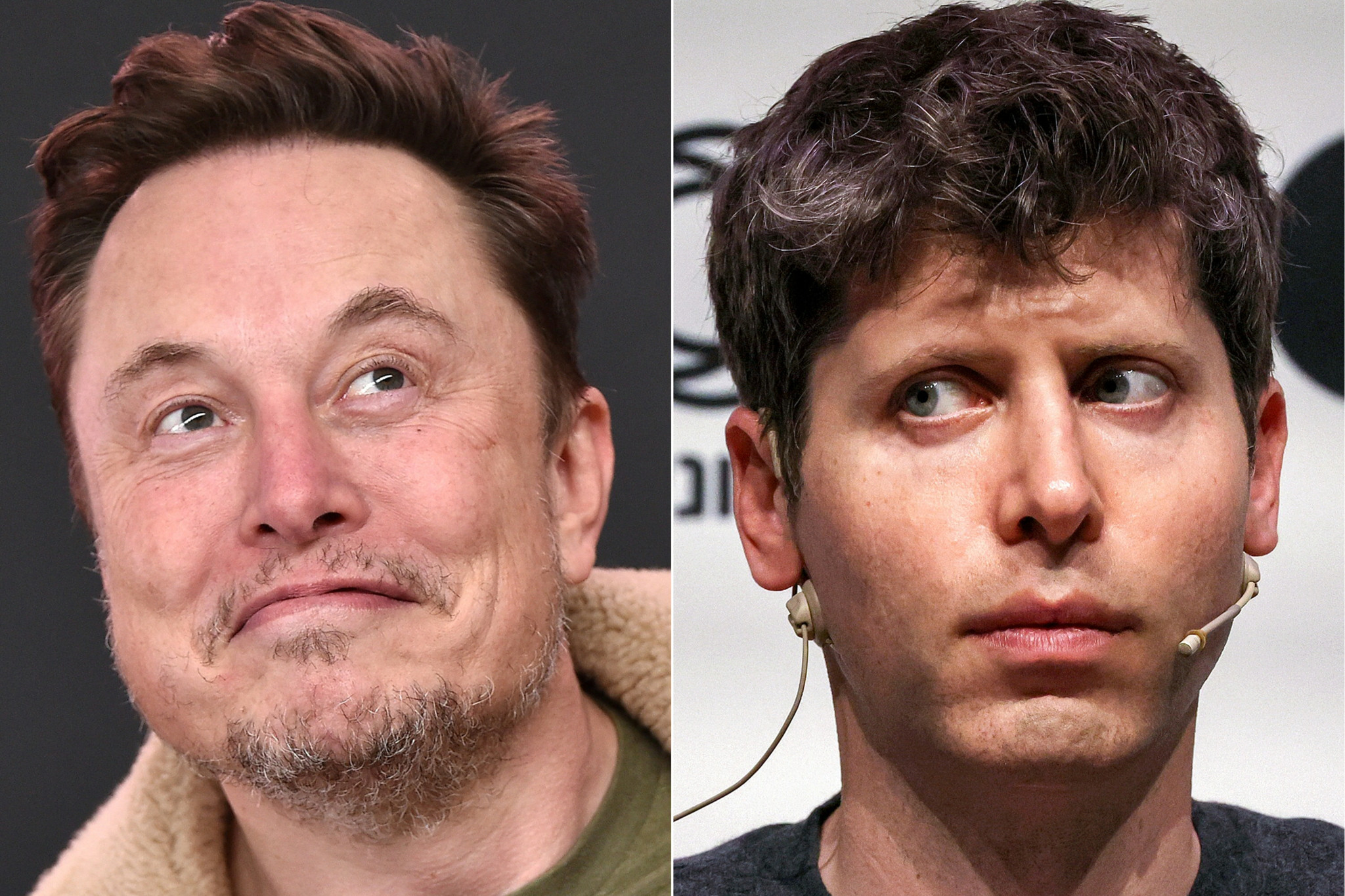
Terafab : Elon Musk veut créer sa propre usine de semiconducteurs au Texas

https://no-flux.beaude.net/wp-content/uploads/2026/03/terafab2-1024x533-1.jpg

“Musk, qui n’a pour l’instant aucune expérience directe dans la fabrication de semiconducteurs, se plait à associer ses nouveaux projets à des objectifs chiffrés dantesques, et le milliardaire n’a pas dérogé à cette habitude. D’après lui, Terafab a vocation à rapidement monter de 100 000 à 1 million de wafers par mois, pour produire, à terme, 100 à 200 milliards de puces par an. L’ensemble représenterait l’équivalent de 1 TW (térawatt) de puissance de calcul, ce que Musk estime être le double de la puissance couramment consommée sur le réseau électrique des États-Unis. À titre de comparaison, le leader mondial de la gravure TSMC atteint des cadences de l’ordre de 160 000 wafers par mois sur ses procédés de fabrication en 3 nm et vise une production équivalente pour fin 2026 sur ses lignes en 2 nm. ”

Source : Terafab : Elon Musk veut créer sa propre usine de semiconducteurs au Texas – Next

When DOGE Unleashed ChatGPT on the Humanities

https://no-flux.beaude.net/wp-content/uploads/2026/03/06cul-neh-lawsuit-06-tmzh-superJumbo.jpg

Building improvements at an Indigenous languages archive in Alaska risked “promoting inclusion and diverse perspectives.” Renewal of a longstanding grant to digitize Black newspapers and add them to a historical database was “D.E.I.” So was work on a 40-volume scholarly series on the history of American music.
A documentary about Jewish women’s slave labor during the Holocaust? The focus on gender risked “contributing to D.E.I. by amplifying marginalized voices.”
Even an effort to catalog and digitize the papers of Thomas Gage, a British general in the American Revolution, was guilty of “promoting inclusivity and diversity in historical research.”
The DOGE employees did not appear to question ChatGPT’s judgments, and continued hunting for unacceptable projects. Two weeks later, they sent a master list of 1,477 problematic awards — nearly every active grant made during the Biden administration — to Michael McDonald, the endowment’s acting chairman.
Mr. McDonald, a veteran of the agency, agreed to let DOGE terminate them, creating what he later described as a “clean slate” for Mr. Trump’s “America First” agenda.

Source : When DOGE Unleashed ChatGPT on the Humanities

AI companies want to use improv actors to train AI on human emotion

https://no-flux.beaude.net/wp-content/uploads/2026/03/268402_AI_companies_want_to_harvest_improv_actors_skills_to_train_large_AI_models_on_human_emotion_and_tone_CVirginia.jpg

““Handshake AI is inviting actors, improvisers, and performers to join a paid, collaborative improv project to work with one of the leading AI companies,” the job description says, promising participants will be “matched with other performers over video and given a light prompt or scenario to explore together.” The job listing calls for people with a background in acting, improv, sketch, or theater work of any kind, and it takes pains to imply — multiple times — that it’s looking for people who can essentially “test the limits of the world’s top LLMs’ understanding” by teaching the models how to recognize or replicate human tone and emotions. “Emotional awareness” is one of the requirements, for instance, specifically the “ability to recognize, express, and shift between emotions in a way that feels authentic and human.” The job listing also called for “interactions that feel grounded, human, and fun to play.””

Source : AI companies want to use improv actors to train AI on human emotion | The Verge

The Washington Post Is Using Reader Data to Set Subscription Prices. How Does That Work?

https://no-flux.beaude.net/wp-content/uploads/2026/03/washingtonpost-7.jpg

“When the Post‘s algorithm evaluates the ideal subscription price to charge for a reader, Cian says, the company “can calculate in real time a high level of complexity based on massive data they acquire throughout the year, based on all the data that they know about their subscribers and when they did or did not renew their subscription.” Your rate might come down to assumptions that the algorithm makes about your financial status based on how you access digital articles. “If you use an Apple product, usually people increase prices because they assume that if you have an iPhone, you may have a higher income than if you have an Android,” he adds. “They know exactly from your IP address where you are reading most of the time, so they can access through Zillow how much is the average cost of a house in that area [and] probably infer really quickly your income.” Readers’ usage of the Post‘s services might also play a role in how much they’re charged. “Users that read a lot may need to be paying more because they actually use more of the services—you can say, probably, they value our services more so we can charge them a little bit more,” Cian says. Whereas, for subscribers who don’t read as many articles to begin with, “maybe you don’t want to affect their pricing too much, because otherwise you stand to lose them.””

Source : The Washington Post Is Using Reader Data to Set Subscription Prices. How Does That Work? – Washingtonian

Guerre en Iran : plusieurs médias s’excusent d’avoir publié des photos modifiées par l’IA

https://no-flux.beaude.net/wp-content/uploads/2026/03/61b4199_upload-1-tozj5mixae0h-photos-de-la-guerre-en-iran-modifie-es-avec-l-ia-dans-la-presse-allemande-courrier-international.jpg

“Dans un contexte où “les rédactions subissent d’énormes pressions qui les poussent à publier rapidement”, note la NZZ, et où les IA génératives sont de plus en plus performantes pour produire des images réalistes, de tels incidents risquent de survenir à une fréquence accrue. D’où le rôle crucial de l’Osint − l’enquête en sources ouvertes −, qui va de “la vérification des métadonnées et des recherches d’images inversées à l’analyse de la plausibilité des ombres et des gros plans”.”

Source : Guerre en Iran : plusieurs médias s’excusent d’avoir publié des photos modifiées par l’IA

L’administration Trump nomme à la tête de la NSA un général sans compétence cyber

L’administration Trump nomme à la tête de la NSA un général sans compétence cyber

“Une déclaration d’intention qui n’a pas du tout convaincu Ron Wyden, pour qui « ses réponses aux questions qui lui ont été posées lors de son audition de confirmation, ainsi qu’aux questions écrites, révèlent une méconnaissance des droits constitutionnels fondamentaux incompatible avec le poste auquel il a été nommé », souligne le sénateur démocrate :
« J’ai demandé au général Rudd ce qu’il ferait s’il recevait l’ordre de surveiller des personnes aux États-Unis sans mandat judiciaire. Je lui ai laissé la possibilité de répondre par oui ou par non. Je n’ai pas obtenu de réponse. Je lui ai proposé de partager ses réflexions générales sur le sujet, mais je n’ai rien obtenu de concret. »Il a en outre « refusé de renouveler l’engagement pris précédemment par la NSA de ne pas acheter ni utiliser les données de géolocalisation des Américains », mais également « refusé de se prononcer sur la question de savoir si le gouvernement devrait être autorisé à imposer des portes dérobées dans les systèmes de chiffrement utilisés par les Américains ».Interrogé pour savoir si, dans l’éventualité où la NSA enfreindrait ces procédures et garde-fous, il en informerait le peuple américain, le général Rudd a aussi refusé de s’y engager, mais également de promettre d’en informer la commission sénatoriale du renseignement, comme la loi le prévoit pourtant.”

Source : L’administration Trump nomme à la tête de la NSA un général sans compétence cyber – Next

« Older posts

© 2026 no-Flux

Theme by Anders NorenUp ↑